The final weeks of high school fly by—and before you know it, your next big adventure begins.
That short summer break isn’t just time off; it’s a chance to make memories that actually matter. A well-crafted teen bucket list helps you squeeze meaning, discovery, and fun into every moment.
From late-night diner runs to epic bike journeys with Teen Treks, these 18 ideas will help you grow, explore, and celebrate who you’re becoming.
1. Join a TeenTreks Bike Adventure
Ordinary summer camps can’t compare to the adventure of pedaling across beautiful landscapes while discovering your own independence. Teen Treks offers exactly this kind of transformative journey through their extraordinary bike adventures.

What is TeenTreks?
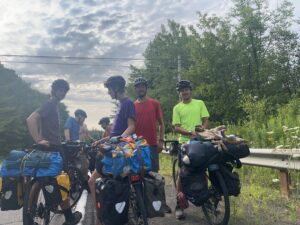
Teen Treks is an educational non-profit that has offered summer bike camps and spring and fall school bike trips for 25 years, giving teenagers the chance to experience the excitement of bike touring with like-minded peers. These self-contained bike trips mean teens carry their own gear, set up camp, navigate routes, and cook meals together. Small groups of up to 10 trekkers ride with two certified leaders, creating that perfect mix of guidance and freedom.
Top routes for teens
Teen Treks has evolved to lead 17 bike adventures across the U.S., Canada and Europe. Trekkers rave about these popular journeys:
- Pacific Northwest Trek: Pedal through lush rainforests, coastal cliffs and vibrant international cities from Washington State to the San Juan Islands to Vancouver.
- Cape Cod Trek: A quintessential New England experience, biking the sandy landscape from Cape Cod to Martha’s Vineyard.
- New York to Montreal: Bike alongside Lake Champlain, soak in French culture, then return to the Big Apple.
Booking and preparation tips
Match your experience level with the right trek difficulty:
- First Time Explorer trips (6-10 days): Shorter rides on easy terrain, perfect for beginners
- Easy treks (10-16 days): Low daily mileage on flat terrain
- Moderate trips (16-21 days): Great for active 14-18 year olds
- Challenging trips (25-56 days): For those ready to push their limits
Book early since groups maintain gender balance. Prices typically range from $1,795 to $3,495, a great value compared to other teen adventure programs.
Why it’s a must-do before graduation
Teen Treks fosters self-reliance, community, and self-discovery through unplugged bike adventures. Teens develop independence, build lasting friendships, and gain fresh perspectives – crucial qualities before starting college or careers. Without screens and devices, trekkers connect authentically with peers while experiencing diverse cultures and breathtaking scenery. We had some bumps along the way like bent racks, but we persevered! These journeys shape character in ways traditional summer camps simply can’t match.
2. Attend a School Dance or Prom
School dances and proms capture those magical teen moments that simply can’t be replicated after high school ends. These events deserve a top spot on your bucket list for teens!

Why it’s a rite of passage
Beyond textbooks and tests, school dances create those special face-to-face connections we all need. In our screen-filled world, these events let teens practice real-world social skills that no app can teach. Think about this – high schoolers spend nearly nine hours weekly on homework but just two and a half hours socializing with friends. School dances help balance the scales, offering a break from academic pressure while building memories that last long after the music stops.
How to prepare
Start planning early! Set a realistic budget first – about 35% of students spend over $100 on prom alone. Secure your outfit with time to spare for any adjustments. Book hair, makeup or nail appointments at least a month ahead. Don’t forget to coordinate dinner plans and transportation with friends. If you’re bringing a date, remember that boutonnieres and corsages usually run $35-$40.
Making memories that last
The best dance experiences extend beyond the event itself:
- Take pre-dance photos in a scenic spot with friends
- Create post-dance traditions (my friends and I always hit the local diner for midnight pancakes!)
- Share rides to maximize time together
What to wear
Your outfit should feel like you – not break your wallet! For dresses, consider what makes you comfortable: A-lines work for almost everyone, mermaid styles showcase curves, and ball gowns bring drama. Not into dresses? Jumpsuits and trouser suits offer both style and freedom to move. Test makeup and accessories beforehand to avoid day-of surprises. Most importantly – choose shoes you can actually dance in all night. Your feet will thank you when you’re still dancing at midnight!
3. Go to a Theme Park with Friends
Theme parks pack so much energy and excitement – they’re perfect spots to add to your teen bucket list before graduation day arrives.

Top theme parks for teens
Thrill-seekers should head straight to Six Flags Magic Mountain with more roller coasters than any other amusement park in the world. My friends and I still talk about riding X2 with its 360-degree rotating seats!
Knott’s Berry Farm (in California) delivers serious excitement too – thirteen “aggressive thrill” rides including GhostRider, that wooden coaster that rattles your bones in the best way. If you’re into immersive worlds, Universal Orlando brings the Wizarding World of Harry Potter to life across two amazing parks.
Planning your visit
Get there early! The first hour after opening gives you shorter lines and more ride time. Download the park’s app before you arrive, but grab a paper map too – phones die at the worst times. Even though you’re teens, stick with the buddy system. Nothing’s worse than wanting to ride something awesome and having nobody to share it with.
For trips to faraway parks, decide whether you’ll make it a day trip or stay overnight. If fireworks and night rides are on your list, booking a nearby hotel room makes sense.
Budgeting tips
Skip buying tickets at the gate – you’ll pay way more. Look online for deals ahead of time. Kings Island tickets start at $49 when purchased online instead of full price at the entrance. Multi-day and park hopper passes give you better value if you’re hitting several parks. Pack your own snacks and water bottles too – theme park food costs add up quickly.
Capturing the fun
Phone batteries drain fast when you’re taking pics all day, so bring portable chargers. Take group photos early when everyone still looks fresh and excited. I love having each friend pick a postcard at day’s end to write down their favorite memory. For something more creative, film short clips on rides and interview friends while waiting in lines – these make hilarious videos later.
4. Volunteer for a Cause You Care About
Volunteering offers a powerful way for teens to discover their strengths while making real impact in their communities. Adding service to your teenage bucket list creates opportunities for genuine connection beyond the classroom walls.

Finding the right cause
Matching your passions with service creates the most meaningful experiences. Every year, 15 million young people discover causes that spark something inside them. Looking for your perfect fit? Try:
- Connecting with what already excites you (animal lovers thrive at shelters)
- Exploring needs right in your neighborhood (food pantries, literacy programs)
- Building skills you’ll use forever (teaching, organizing, leading)
Your school counselor has likely matched dozens of students with great opportunities, but don’t overlook community centers and libraries as connection points. The heart of volunteering comes from finding where your interests and the world’s needs intersect.
How to get involved
The path to service has many starting points. Some trekkers join established groups like Red Cross Clubs, working on projects that benefit both school and wider communities. Others blaze their own trails by:
- Setting up fundraisers for causes that matter
- Collecting donations (those old books could change someone’s life)
- Joining community cleanup days
- Helping younger students master tough subjects
We’ve watched many teens start small and grow their commitment over time, which often leads to more sustainable involvement.
Benefits of volunteering
The rewards of volunteering extend far beyond college application boosts. Studies show teens who volunteer experience improved mental health, less stress, and greater life satisfaction. Our trekkers consistently report:
- Developing real-world skills that classrooms can’t teach
- Finding confidence they never knew they had
- Meeting friends who share their values
- Test-driving potential careers without the pressure
Colleges notice the depth of commitment more than the number of causes. One organization where you’ve made real impact speaks volumes about your character.
Making a difference
Many organizations couldn’t function without volunteer help – their budgets simply don’t allow for full staffing. Teen volunteers create ripples of change by:
- Stocking shelves at food banks
- Teaching seniors to navigate technology
- Supporting causes they believe in
- Managing social media for small nonprofits
- Helping younger students grasp difficult concepts
The greatest gift of volunteering might be the perspective shift. Many of our trekkers report seeing their communities through fresh eyes, understanding challenges they might never have witnessed otherwise.
5. Start a Band or Music Jam Session
Music creates some of the strongest bonds between teens. Starting a band or hosting jam sessions can become the highlight of your final high school days – and might just spark a lifelong passion!

Getting started with music
Find your musical tribe first! Look around your school, post on bulletin boards, or join online forums where other music-loving teens hang out. Talk about your favorite artists and the sounds that move you – this helps pinpoint your band’s direction from day one. Everyone needs a clear role, so figure out who’s on drums, guitar, vocals or other instruments early on. And start with cover songs. They help you find a groove before attempting your own music.
Instruments to try
Your choice of instrument shapes your entire musical journey. If you’re just getting started, consider these beginner-friendly options:
- Guitar or Ukulele: Learn a few chords and you’re already playing songs
- Bass: The unsung hero that holds everything together
- Percussion: From simple hand drums to full kits – all build your rhythm sense
- Keyboard/Piano: See both melody and harmony in one place
The best instrument isn’t necessarily the flashiest – it’s the one that feels right in your hands and makes you excited to practice.
Collaborating with friends
Regular practice is everything! Set up a schedule that works for everyone, even if it’s just once a week in someone’s garage or basement. Focus as much on playing well together as hitting the right notes – chemistry between musicians creates magic that perfect technique alone never will.
Writing songs together creates the deepest connections. One person brings a melody, another adds lyrics, someone else figures out the perfect drum pattern – suddenly you’ve created something that belongs uniquely to your group. These collaborative moments often become the stories you’ll tell for decades.
Recording your sessions
Capture your music journey! You don’t need fancy equipment – your smartphone can work wonders to start. Basic recording apps or affordable interfaces for computers open up endless possibilities.
After recording, play around with your sound. Add some reverb, adjust volumes, try different arrangements. Share these recordings with friends or post them online – they’ll become time capsules of your high school days that you’ll treasure long after graduation.
6. Take a Self-Defense Class
Learning self-defense belongs on every teen’s bucket list – these skills build confidence that lasts well beyond graduation day.

Why it’s important
Self-defense classes give teens much more than protection techniques. Training builds discipline, responsibility, and resilience during crucial years when teens are figuring out who they want to become. My friend joined a local class last year and noticed improvements in her posture and communication skills within just a few weeks.
Experts back this up, noting that these classes teach boundary-setting and self-advocacy – abilities that prove essential for college and career success. Rather than focusing solely on physical moves, good self-defense training emphasizes awareness that helps teens spot and avoid potential problems before they escalate.
What to expect
A typical class blends physical techniques with mental strategies. Students practice escaping common holds, protecting personal space, and using assertive communication when uncomfortable. During sessions, instructors typically emphasize that creating distance for escape matters more than confrontation – violence always remains the last resort.
One instructor I observed started each class with the mantra: “Your best defense is awareness, your second-best is your voice, and your third is physical technique.” This balanced approach develops teens’ confidence without encouraging aggression.
Finding local classes
You’ll find self-defense options in surprising places around your community. High schools sometimes offer workshops through PE departments during special units. Community centers, police stations, and martial arts studios frequently host affordable (sometimes free) self-defense seminars. Typing “self-defense classes near me” into search engines typically reveals several local options. College campuses often provide free courses through their safety programs – worth checking out even before you enroll. My cousin found an excellent weekend workshop at our local YMCA that cost less than a movie ticket.
Building confidence
The confidence boost from self-defense training extends into every area of life. Throughout sessions, teens develop keener situational awareness and improved body control. This heightened self-assurance shows up as stronger posture, clearer communication, and better resilience when facing peer pressure.
One instructor told me the biggest transformation happens when students realize they have options in uncomfortable situations – knowledge that builds genuine confidence. Teens who stick with self-defense training report feeling more prepared to handle new situations independently – exactly what you need when transitioning to life after graduation.
7. Host a Game Night or Trivia Party
Game nights create some of the best memories before graduation day. They bring friends together, build connection, and offer a perfect break from screens – exactly what today’s teens need!

Game ideas for teens
The right games make all the difference in creating a memorable night. Board games like Catan work wonderfully with tech-focused teens – many immediately ask to play again after their first game. Night games build teamwork while adding excitement – try Human Knot where players untangle themselves without breaking their circle, or Sardines, a clever twist on hide-and-seek.
Trivia nights with themes like “Making Music” catch teen interest and spark friendly competition. For something that builds critical thinking skills, Spyfall challenges players to use social deduction while having tons of fun.
Setting up the space
Your environment makes a huge impact on how the night unfolds. Create a circular seating arrangement for card games or set up tables for board games. Background music chosen by the teens themselves adds energy and keeps everyone engaged (I prefer Rufus Du Sol myself).
Never underestimate the power of food! As one experienced host puts it, “Make popcorn or cookies… bring it to the table and wait for them to come”. Have plenty of drinks on hand too – extended gameplay works up a thirst!
Inviting friends
Digital invitations work great and build excitement when you include game themes or hints about what you’ll be playing. For trivia nights, have friends form teams of 2-4 people, registering everyone together.
If you want to make game nights a regular thing, pick the same day each month (like the third Saturday). This creates a rhythm everyone can plan around.
Making it competitive
A little friendly competition takes game night to the next level. Simple prizes for winning teams add just enough motivation to keep things interesting. For trivia, create forms where teams record answers so everyone has equal opportunity to participate.
Tournament-style play works brilliantly with larger groups – winners advance to face other winners. Even a playful challenge like “I bet you can’t beat me now” can pull competitive teens into the fun. The laughter and friendly trash talk that follows creates the kind of unplugged connections teens remember long after graduation.
8. Go on a Nature Hike or Camping Trip
Discovering trails and setting up camp under starlit skies should definitely make it onto your teenage bucket list. There’s something magical about unplugging from everyday life to explore natural wonders with friends.

Best trails for teens
We think hiking is the best way to connect with nature, especially in our busy world. Silver Falls Trail offers a 3-mile loop with stunning blue water and plenty of rocks for impromptu climbing adventures. Skyline Trail to Myrtle Falls gives you incredible Mount Rainier views in just a 1-mile roundtrip – perfect for beginners or when time is limited.
Perhaps you and some friends can take this trail before or after our Pacific Northwest Teen Bike Tour.
For trekkers seeking more challenge, Skyline Loop delivers with its 1700 feet of elevation gain that rewards your effort with breathtaking vistas. Start with easier trails to build confidence before tackling the tough ones – just like in life, the path gets more manageable with experience.
What to pack
Proper gear can make or break your outdoor adventure! Pack these essentials:
- Sleeping equipment: A good sleeping bag and pad aren’t just for comfort – they provide crucial insulation from cold ground
- Protection: Weather changes quickly outdoors – bring sunscreen, bug spray, and layers that adapt to temperature shifts
- Hydration: Water bottles or bladders like Camelbak keep you hydrated on the trail
- Visibility: Headlamps or flashlights with extra batteries – we had one major obstacle to overcome when our light died during a night hike!
- Emergency supplies: First aid kit, maps, compass, knife, whistle – safety basics you hopefully won’t need
Never compromise on footwear! Those tennis shoes might seem fine, but proper hiking boots prevent twisted ankles on uneven terrain.
Safety tips
Staying safe means being prepared. Always hike with at least one buddy – solo adventures look great in movies but create real-life risks. Share your detailed plans with someone not on the trip so they know when to worry if you don’t check in. Check weather forecasts and research potential hazards like wildlife or dangerous terrain before heading out. We woke up at a nice ripe 6:00 AM on our last group hike, but didn’t start pedaling until close to 10:30 due to unexpected trail conditions – flexibility is key!
Making it fun
Teen adventures thrive when there’s purpose beyond just walking. Create mini-challenges like scavenger hunts with small treasures hidden along the trail. Build confidence by letting teens take turns leading different segments or handling navigation responsibilities. Take plenty of photos early in the day when everyone looks fresh – you’ll want these memories later! Make up trail games like “Wanda” where everyone scrambles to find somewhere at least 6 inches off the ground whenever someone calls the name. These shared moments of laughter often become the stories you’ll tell years later.
9. Create a Personal Blog or Journal
Capturing your high school journey through words belongs on every teenage bucket list. Whether you’re documenting your first Teen Treks bike adventure or reflecting on personal growth, writing preserves these fleeting moments in ways photos alone cannot.
Blog vs. journal
Journals and blogs serve different purposes on your writing journey. Journals offer private spaces where you can pour out raw emotions without censorship. You can scribble freely about disappointments, celebrations, and everything between. Blogs, meanwhile, invite conversation through comments and reader engagement. Many trekkers share their adventures online, sometimes using nicknames that protect privacy while maintaining authentic voices. The best choice depends on what you’re seeking – private reflection or public connection.
What to write about
Your writing can capture countless meaningful moments:
- Stories from bike trips and outdoor adventures
- Personal challenges overcome during self-defense classes
- Creative works including song lyrics or poetry
- Goals that keep you moving forward
- Funny moments from theme park visits with friends
Writing about feelings helps process complicated emotions and leads to better problem-solving when facing obstacles. We’ve watched teens transform their perspectives through consistent reflection.
Staying consistent
Building a writing habit takes intention but pays tremendous dividends. Some writers find success setting aside specific days – maybe Tuesdays and Thursdays become your dedicated journal time. Planning content ahead through simple calendars helps prevent writer’s block when inspiration runs dry. That said, some of our most experienced journalers write only when motivated rather than forcing creativity on a schedule.
Reflecting on your growth
Looking back through old entries reveals how far you’ve come. Research confirms journaling offers real therapeutic benefits for teenagers, especially when writers share challenges and receive supportive feedback. Documenting your teenage bucket list adventures helps identify patterns in your thinking that might otherwise go unnoticed. This growing self-awareness becomes incredibly valuable as you transition into college and beyond – much like the independence gained through self-supported bike trips.
10. Try a New Cultural Cuisine
Food forms the heart of how we connect with different cultures. With friends beside you, trying new cuisines becomes one of the most rewarding items on any teenage bucket list. The flavors, smells, and traditions of world cooking open windows to understanding how others live.
Exploring global flavors
Last summer, our Teen Treks group stumbled upon a tiny Vietnamese restaurant during our bike trek through Vermont. None of us had tried pho before, but watching steam rise from those fragrant bowls became one of our most vivid memories from the trip. Food breaks barriers when words fail. Studies show people are 50% more likely to try new foods when with friends than alone. This makes these final high school days perfect for expanding your taste horizons.
Some teens in our group were hesitant at first – one trekker stared at his chopsticks for nearly five minutes before asking for a fork. By meal’s end, though, everyone was laughing and sharing bites from their bowls. That’s the magic of food adventures – they bind us together through small acts of courage and discovery.
Cooking vs. dining out
Both paths lead to delicious discoveries. Restaurants give you the full sensory experience – the music, decor, and service traditions that surround the food.
Cooking classes offer hands-on learning that stays with you. Many cities host teen-focused workshops teaching global recipes from Mexico, France, and Japan. When our trekkers tried cooking pad thai together, the kitchen chaos became just as memorable as the meal itself. One pot boiled over while another teen accidentally doubled the chili – we still talk about our faces after that first bite!
Sharing the experience
Food connects us in ways few other activities can. Host an international potluck where everyone researches and prepares a dish from a different country. Our Teen Treks groups often cook together on bike trips, turning simple camp meals into cultural exchanges as trekkers share family recipes.
These shared meals often become our most treasured memories. Studies confirm families who eat together regularly build stronger bonds. Document your food adventures through photos or create a shared digital album with friends. The Teen Treks Montreal group started a food journal during their trip, with everyone contributing notes about new dishes they tried along their route.
Learning through food
Each cuisine tells stories of its culture’s history and values. Understanding why mandarin oranges symbolize good luck in Chinese culture offers insights beyond just taste. When we bike through different regions, we notice how landscapes shape local foods – coastal areas with seafood abundance, mountain regions with hearty, warming dishes.
Ask about ingredients’ significance and traditional customs while dining. We think food exploration is one of the best ways to travel, especially in our busy world. One Teen Treks leader always says, “You can learn more about a place through one meal than a dozen tourist attractions.” Food becomes your passport to understanding diversity both between and within communities.
11. Visit a Museum or Art Exhibit
Museums spark curiosity and creative thinking in ways that textbooks never could. Adding a museum visit to your bucket list creates space for discovery right before graduation arrives.
Types of museums to explore
Today’s museums speak directly to teen interests – a far cry from the stuffy galleries our parents dragged us through! The Museum of Fine Arts in Boston houses over 500,000 works that take you from ancient Egyptian sculptures all the way to Van Gogh and Kahlo. Teens who geek out on science should check out the MIT Museum where robots and holograms bring technology to life. What’s cool is how teens connect with completely different parts of the same collection – some get lost in natural history while others dive into conversations about where artifacts really came from.
How to make it interesting
Gone are the days of hushed gallery walks! Museums have figured out that teens crave hands-on, interactive exhibits where they become part of the experience rather than just observers. Many places now offer teen-specific programs – like the MFA’s Teen Arts Council that actually pays teens ($15/hour) while giving them behind-the-scenes access and professional skills. These programs stick with participants – an impressive 96% continue visiting museums as adults.
Going with friends
Everything’s better with friends – especially museum visits. Bringing your crew creates natural conversations about what you’re seeing and opens your eyes to perspectives you might have missed on your own. Museums across the country have caught on, creating events specifically for high school students to enjoy together. The numbers don’t lie – 68% of teens who participated in museum programs became regular visitors as adults, compared to only 16% of everyone else.
Documenting your visit
Museums today practically beg to be shared on social media, with many exhibits featuring built-in photo spots. Beyond the obvious Instagram moments, try sketching your favorite pieces, recording audio reactions to what you’re seeing, or starting deeper conversations about art that speaks to your own experiences. These approaches create memories that last far beyond the gift shop.
Just like Teen Treks bike adventures, museums offer journeys that expand your world without needing a passport. The discoveries you make might surprise you.
12. Plan a Surprise for a Friend or Family Member
There’s something truly magical about watching someone’s face light up with unexpected joy. Planning surprises for people you care about deserves a spot on your teenage bucket list – it teaches thoughtfulness that extends far beyond high school walls.
Surprise ideas
Meaningful surprises don’t need big budgets to make big impacts. Try these teen-tested ideas:
- Make their morning better by cleaning their room while they’re away
- Leave flowers or a small gift where they’ll find it when they least expect it
- Fix something they’ve been meaning to repair but haven’t had time for
- Create a cozy night with their favorite snacks and movies ready to go
- Hide colorful post-it notes with things you appreciate about them
The best surprises show you’re really paying attention to what matters to them. My friend left inspirational quotes hidden throughout my backpack before a big exam – I found them for days afterward!
Planning the perfect surprise
Pulling off a great surprise takes some ninja-level planning skills. Find a couple trustworthy friends to help maintain secrecy – the fewer people who know, the better your chances of avoiding accidental reveals. Timing matters too! Choose moments when they’re least expecting something special.
Creating a believable “cover story” works wonders. When we surprised our friend with a birthday celebration, we told her we were just meeting for a quick coffee before heading somewhere else. Her face when she walked in was priceless!
Why surprises matter
Surprises do something ordinary interactions can’t – they show you’ve dedicated extra thought, time and creativity to making someone else happy. They demonstrate a level of attention that says “I see you” in a world where we often feel invisible.
Capturing the moment
Don’t forget to document their reaction! Assign a friend to be the designated photographer who can capture their expression without being obvious about it. Having photos from different angles preserves all the best parts of this bucket list highlight.
Just like on a Teen Treks journey, the planning process itself becomes part of the adventure – full of problem-solving, teamwork, and ultimately, a shared memory you’ll carry forward long after graduation.
13. Take a Class Outside of School
Discovering new skills outside the traditional classroom creates unforgettable growth opportunities that belong on every teen’s bucket list before graduation day arrives.
Fun classes to try
The world beyond school walls offers endless learning possibilities that spark new passions. Wilderness survival classes teach practical skills like fire-making and shelter building – perfect for teens who enjoy TeenTreks-style outdoor adventures.
Creative teens might explore content creation or digital storytelling workshops where they can develop their unique voice. We’ve watched many teens discover hidden talents through entrepreneurship programs that introduce business concepts through hands-on projects. The best classes balance enjoyment with skill-building, giving you tools that last long after the final session ends.
Where to find them
Finding these opportunities is easier than you might think. Community centers host teen workshops covering everything from robotics to cooking, often at minimal cost. Online platforms like Outschool offer virtual classes on nearly any subject imaginable, perfect for exploring interests from the comfort of home. Don’t overlook social media groups and local newspapers – they reveal hidden gems your guidance counselor might not know about. Youth organizations provide structured environments where you’ll learn alongside peers who share your interests.
Learning new skills
These experiences develop “soft skills” that traditional classrooms often miss. Throughout these adventures, you’ll strengthen your problem-solving abilities, build teamwork habits, and enhance your communication style. We’ve seen how these capabilities become particularly essential after graduation day, when college success depends heavily on self-sufficiency and time management. Each class you take builds confidence that extends far beyond the specific subject matter.
Meeting new people
The social connections formed during outside classes often become some of the most valuable takeaways. Group projects and team challenges create natural opportunities to develop authentic friendships with peers who share your interests. These friendships often continue long after graduation, creating networks that support your journey into adulthood.
14. Do a Social Media Challenge
Social media challenges take scrolling from passive to active, turning digital time into something worth adding to your teenage bucket list.
Popular challenges for teens
Plenty of creative challenges exist that don’t involve danger but still deliver loads of fun. The “mannequin” challenge gets friends freezing in place while someone films, creating those “how did they do that?” moments everyone loves.
The Try Not to Laugh challenge tests even the most serious faces against ridiculous videos. Some challenges do more than entertain – remember when everyone was dumping ice water on their heads? That Ice Bucket Challenge raised an incredible USD 115 million for ALS research with over 17 million people getting soaked for a cause. These shared experiences stick with you long after your graduation cap comes off.
Creating your own
Want to start something unique? The best challenges leave room for everyone to add their personal twist while keeping the core idea simple. Think about what gets your friends excited – challenges that bring people together rather than spotlight individuals tend to catch on faster. Why not document your Teen Treks bike adventure through a creative challenge? Ask friends to share their most beautiful outdoor photos or create mini-videos from their favorite places visited.
Staying safe online
Not all challenges promote good fun – some like the cinnamon challenge or salt and ice challenge can actually hurt you. Before joining any trend, ask yourself three simple questions:
- Why do I want to participate?
- What good will come from this challenge?
- Could this hurt me or someone else?
About 25% of content about risky trends actually aims to warn people against trying dangerous challenges. You can help keep your friends safe by sharing responsible guidelines and reporting posts promoting harmful activities.
Going viral
Teens join challenges for four main reasons: because friends are doing it, to get attention, for entertainment, or simply because trends spread quickly. What’s concerning is that about half of teens who tried risky challenges later said they might have skipped them if they’d understood the dangers. Pick or create challenges that build community without putting anyone at risk – making your teenage bucket list both memorable and smart.
15. Write and Perform a Skit or Song
Creative expression through performance belongs on every teen’s bucket list – it’s a perfect way to leave your mark before tossing that graduation cap! Writing and performing builds confidence while creating memories that last far beyond high school.
Creative writing tips
Good scripts start with natural dialog that sounds like real teens talking – not like textbook language. When I help young writers, I always suggest focusing on three elements: conversational dialog, clear stage directions, and helpful acting cues.
The best scripts come through multiple drafts. Professional writers rarely nail it on the first try, so don’t expect perfection immediately. My favorite technique is reading dialog aloud – it quickly reveals what works and what sounds stiff.
For character development, think about the little things that make people unique – those pauses, facial expressions, and gestures that bring personalities to life. These details transform flat characters into memorable ones that audiences connect with.
Performing with confidence
Confidence comes from being prepared – plain and simple. Schedule regular practice sessions where you can internalize your lines until they feel natural. Recording yourself on a phone helps spot areas needing improvement.
Start small! Perform for family before trying your material with friends. This gradual approach builds comfort with performing while allowing you to refine your work. Some of our Teen Treks trekkers find that the confidence they gain from tackling challenging bike routes translates perfectly to overcoming stage fright!
Deep breathing before performances helps manage those pre-show jitters that even experienced performers feel. Remember that nervousness and excitement create the same physical feelings – it’s all about how you frame it.
Recording your performance
You don’t need fancy equipment to capture great performances! A smartphone mounted on a stable surface works perfectly for beginners. For better quality, try recording audio separately from video, then syncing them during editing.
Position microphones close to performers – this maximizes sound quality while reducing background noise. When possible, use two cameras – one capturing everyone on stage and another for close-ups of important moments. These different angles make watching the recording much more engaging.
Sharing it online
Digital platforms connect your creativity with audiences everywhere. During pandemic lockdowns, Broadway star Laura Benanti inspired thousands of teens to share their canceled school performances online. Some musically talented teens have even organized virtual concerts for nursing home residents.
Sharing performances online extends their impact beyond a single moment – just like Teen Treks journeys create memories that continue inspiring long after the bike wheels stop turning. Your creative expressions deserve to be preserved as part of your high school legacy!
16. Explore a New Part of Your City
Looking for adventure without straying far from home? Your own city holds hidden treasures just waiting to be discovered before graduation day arrives.
Hidden gems to discover
Every neighborhood hides unexpected wonders that most people rush past without noticing. Abandoned buildings with rich histories, breathtaking lookout points, and quirky cultural spots create perfect day adventures for your bucket list. Grand Caverns, with its “magical lakes” and stunning “sea star” formations, sits undiscovered by many locals who’ve lived nearby for years. Old industrial sites and historical buildings often feel like stepping into parallel worlds few people ever experience.
Worth seeking out:
- Free attractions like the Udvar-Hazy Center where you can marvel at the SR71 Blackbird and Space Shuttle up close.
- Natural surprises hiding within city limits – waterfalls, hiking trails, and green spaces.
- Historical treasures including unusual cemeteries or monuments telling forgotten stories of your city’s past.
Planning your route
Finding these hidden spots takes some detective work, but that’s half the fun! Start with satellite views and online maps to spot interesting areas off the beaten path. Gather clues from local forums or news articles about unusual locations. Always check an area carefully before entering and let someone know where you’re headed. Daytime exploring offers both safety and better light for those perfect photos you’ll want to capture.
Going with friends
Never set out alone – urban exploring works best as a team sport. Having friends along provides both safety and extra sets of eyes to spot things you might walk right past. My friends and I discovered an amazing rooftop garden last summer that I’d have completely missed if Sarah hadn’t looked up at just the right moment. Just like our Teen Treks bike adventures build community through shared discoveries, exploring your city creates bonds through collective “wow” moments.
Documenting the adventure
Capture your explorations in ways that preserve both details and feelings. A dedicated “city adventure” journal filled with sensory descriptions – the rumble of subway trains, smells wafting from street vendors, or the surprising colors of neighborhood murals – creates a lasting record. Take photos of everything that catches your eye, from weird architectural details to hidden street art. These images and notes become both personal keepsakes and inspiration maps for friends planning their own urban adventures.
17. Make a Graduation Bucket List Video
Creating a video diary of your pre-graduation adventures saves those fleeting high school moments that slip away too quickly. Your graduation bucket list video becomes both time capsule and story – showing not just what you did, but who you became along the way.
What to include
The best bucket list videos mix adventure footage with personal reflection. Think about including:
- Short clips from your Teen Treks bike adventures – those flat tire fixes and breathtaking views
- Quick interviews with friends sharing what they’ll remember most
- Side-by-side footage showing how you’ve changed from freshman to senior year
- Your voice telling the story that connects all these pieces
We’ve found these videos become treasured keepsakes that capture all the joy and growth of these final high school months. More and more, teens are creating videos that tell the whole journey – the challenges faced and overcome, not just the highlight reel.
Editing tips
Don’t worry if you’ve never edited video before! Start simple with user-friendly apps like CapCut for phone editing. If you’re feeling more ambitious, try DaVinci Resolve on your computer. Keep these basics in mind:
- Learn your editing tools through quick online tutorials before diving in
- Sketch out what clips go where before you start cutting
- Play around with different styles until you find what feels like “you”
- Show rough cuts to friends for honest feedback
Sharing your story
Once you’ve finished, your video can bring people together. Graduation videos help connect family who couldn’t make it to your celebrations. Make viewing more fun by adding interactive elements like pop-up questions or clickable moments. We’ve seen trekkers work together on collaborative videos that become instant treasures at future reunions.
Inspiring others
Your personal video journey might spark something bigger than you expect. A well-made bucket list video can light up younger students to create their own adventure plans. Your Teen Treks footage might inspire someone else to climb on a bike and discover what they’re capable of. The ripples from your story might spread farther than you imagine.
18. Try a DIY Craft Project
Adding creative DIY projects to your teenage bucket list builds skills that stick with you long after the glue dries. These hands-on experiences help teens express themselves, shake off stress, and discover hidden talents without emptying their wallets.
Fun DIY ideas for teens
Want projects that mix creativity with practicality? These teen-tested crafts hit the sweet spot:
- Hand-painted clay planters using polymer clay and acrylics – they brighten up even the messiest bedroom!
- Personalized jewelry like seed bead bracelets or washers transformed with nail polish
- Custom t-shirts through tie-dye, stencils, or printing
- Candle making with soy wax for unique scents and colors
- Air dry clay creations from jewelry dishes to decorative pieces
The best projects let you add your personal touch while being simple enough that you won’t quit halfway through.
Materials you’ll need
Most teen-friendly crafts don’t require fancy supplies. Many use stuff you already have lying around:
- Basic craft supplies: scissors, paintbrushes, glue sticks
- Project-specific materials: embroidery floss for friendship bracelets, washi tape for decorations, air dry clay for sculptures
- Recycled items: cereal boxes transformed into paintings, paper bags folded into stars, plastic toys reimagined as necklace pendants
First-time crafters might want to grab an all-in-one kit – it’s like having training wheels for your creative journey.
Sharing your creations
Finished projects gain new life when shared with others. Consider:
- Starting a craft blog to document your creative ups and downs
- Joining Facebook Groups where fellow crafters swap ideas
- Jumping into online communities where teens exchange tips and tricks
- Posting photos with craft-specific hashtags
Crafting with friends
Group crafting sessions make perfect teenage bucket list additions. These group projects always hit the mark:
- Jewelry making parties with matching friendship bracelets
- T-shirt printing sessions before school events
- Virtual craft nights connecting friends through screens
- Collaborative projects where everyone adds their own piece to the puzzle
Choose projects with easy instructions but lots of room for personal flair. This way, everyone makes something uniquely theirs while chatting and creating memories together.
Comparison Table
Choosing the right experiences for your bucket list matters – each activity offers unique benefits, time commitments, and skill requirements. This table breaks down our 18 favorite teen bucket list ideas to help you decide which adventures best fit your interests and schedule before graduation.
| Activity Name | Type/Category | Key Benefits | Estimated Duration | Cost Range | Social Aspect | Skill Level Required |
|---|---|---|---|---|---|---|
| TeenTreks Bike Adventure | Outdoor/Adventure | Independence, problem-solving skills, cultural exposure | 6-56 days | $1,500-$2,999 | Group of 10 teens with 2 leaders | Beginner to Advanced |
| School Dance/Prom | Social Event | Social development, communication skills | 1 evening | $100+ | Large group | No special skills |
| DIY Craft Project | Creative | Self-expression, stress relief | Variable | Not mentioned | Individual or group | Beginner |
| Theme Park Visit | Entertainment | Social bonding, excitement | 1 day | Not mentioned | Small group | No special skills |
| Volunteering | Community Service | Leadership, empathy, career exploration | Variable | Free | Individual or group | No special skills |
| Band/Music Jam | Creative/Musical | Collaboration, artistic expression | Regular practice | Not mentioned | Small group | Basic musical knowledge |
| Self-Defense Class | Physical/Educational | Confidence, safety skills, boundary setting | Course-based | Not mentioned | Group class | Beginner |
| Game Night/Trivia | Social/Entertainment | Team building, critical thinking | 2-4 hours | Minimal | Group activity | No special skills |
| Nature Hike/Camping | Outdoor/Adventure | Physical fitness, nature appreciation | 1-3 days | Variable | Small group | Basic to Moderate |
| Personal Blog/Journal | Creative/Personal | Self-reflection, writing skills | Ongoing | Free-Minimal | Individual | Basic writing skills |
| Cultural Cuisine | Cultural/Educational | Cultural awareness, social bonding | 1-2 hours | Variable | Individual or group | No special skills |
| Museum/Art Visit | Educational/Cultural | Cultural enrichment, creativity | 2-4 hours | Variable | Individual or group | No special skills |
| Surprise Planning | Social/Creative | Thoughtfulness, organization | Variable | Variable | Individual planning | Basic planning skills |
| Outside School Class | Educational | Skill development, networking | Course-based | Variable | Group class | Varies by class |
| Social Media Challenge | Digital/Social | Creativity, community building | Variable | Free | Online community | Basic tech skills |
| Skit/Song Performance | Creative/Performance | Confidence, artistic expression | Variable | Minimal | Individual or group | Basic performance skills |
| City Exploration | Adventure/Cultural | Local knowledge, discovery | 1 day | Minimal | Small group | Basic navigation skills |
| Graduation Video | Creative/Digital | Memory preservation, storytelling | Project-based | Minimal | Individual creation | Basic editing skills |
Final Thoughts on Your Teen Bucket List
These 18 bucket list ideas will make your final high school days truly unforgettable. From biking across beautiful landscapes with Teen Treks to planning heartwarming surprises for friends, each activity builds the skills and memories that stick with you long after the graduation caps have been tossed.
I love how this bucket list offers something for everyone. You might find unexpected confidence during a self-defense class or discover creative talents through DIY projects. Trying new cultural cuisines opens your eyes to different traditions, while volunteering connects you with your community in meaningful ways. These experiences shape who you’re becoming as you move toward your next chapter.
Friends make everything better – turning ordinary moments into stories you’ll tell for years. Screaming together on theme park rides or quietly sharing trail mix on wilderness hikes creates bonds that often last beyond high school. Reach out to a tour guide to learn more about Teen Treks Teen Bike Tours this summer! These bike adventures stand out as particularly powerful experiences where teens carry their own gear, navigate their routes, and build lasting friendships while unplugged from the digital world.
Your high school journey deserves more than just counting down days until graduation. Grab this list, gather your friends, and start creating experiences that matter. Graduation marks both an ending and a beginning – these final adventures become part of who you are and who you’ll become.
Which bucket list adventure will you try first?