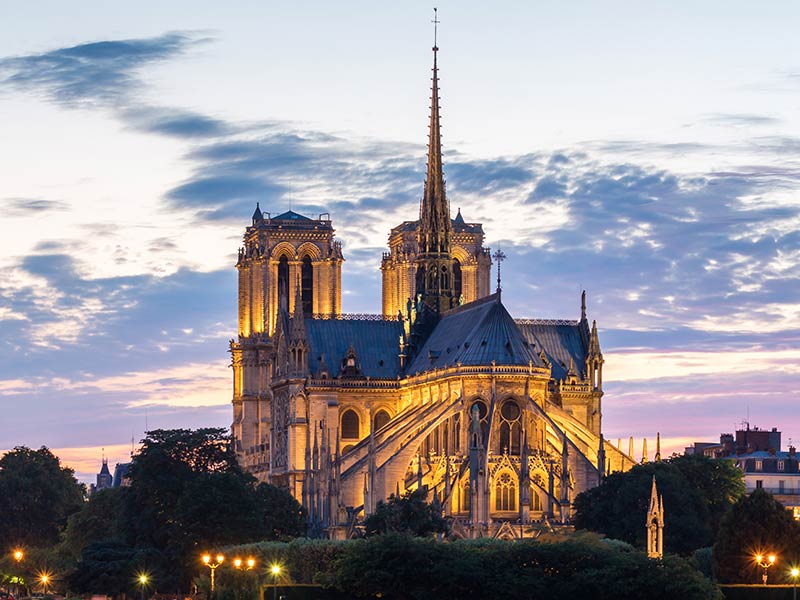
I remember the first time I felt small. Not small in a bad way—like being picked last for a team—but small in the way that makes you realize the world is infinitely bigger, older, and stranger than the neighborhood you grew up in.
I was standing in a city I didn’t know, looking up at stone that had been carved five hundred years before I was born. It occurred to me then that buildings are not just shelters. They are stories. They are the physical proof that people have been dreaming, fighting, and creating for centuries.
When you are a teenager, everyone tells you that you are “becoming.” You are in this messy, beautiful transition between who you were as a child and who you will be as an adult. I think that is why travel—real teen travel, where you feel the cobblestones through the soles of your shoes—resonates so deeply during these years. You are building your own identity, so it makes sense to go look at how cities built theirs.
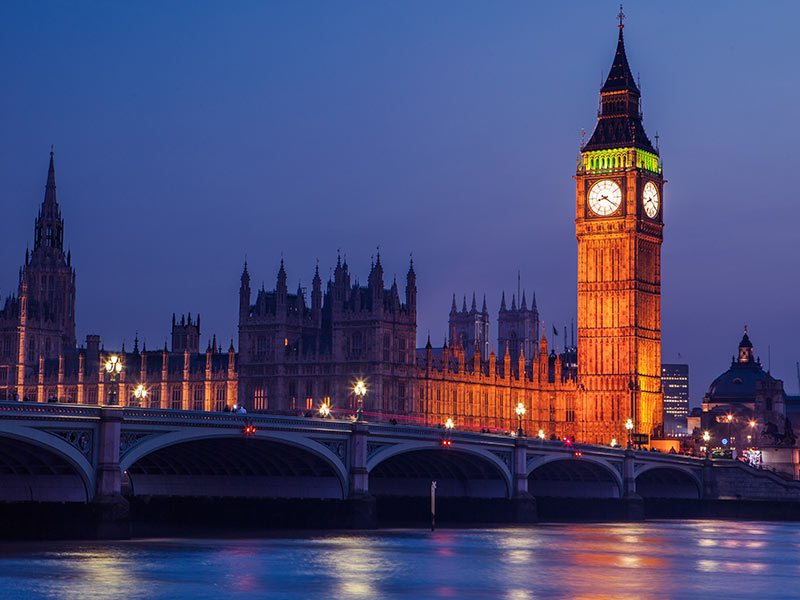
Paris and London are perhaps the best places on earth to do this. They are cities of contrast, where the ancient sits comfortably next to the futuristic. If you are planning a trip, or just dreaming of one, don’t just walk past the famous facades. Stop. Look up. Ask yourself what these walls would say if they could talk.
Here is a guide to the architecture in these two cities that might just change the way you see the world.
Paris: Where history meets geometry
Paris often feels like a stage set. It is almost too perfect. But if you look closer, you see the tension between the old rules and the people who dared to break them.
The Louvre: A collision of eras
There is something incredibly bold about the Louvre. You have this massive, regal palace—the kind of place where kings lived and breathed tradition. And then, right in the center of the courtyard, sits I.M. Pei’s glass pyramid.
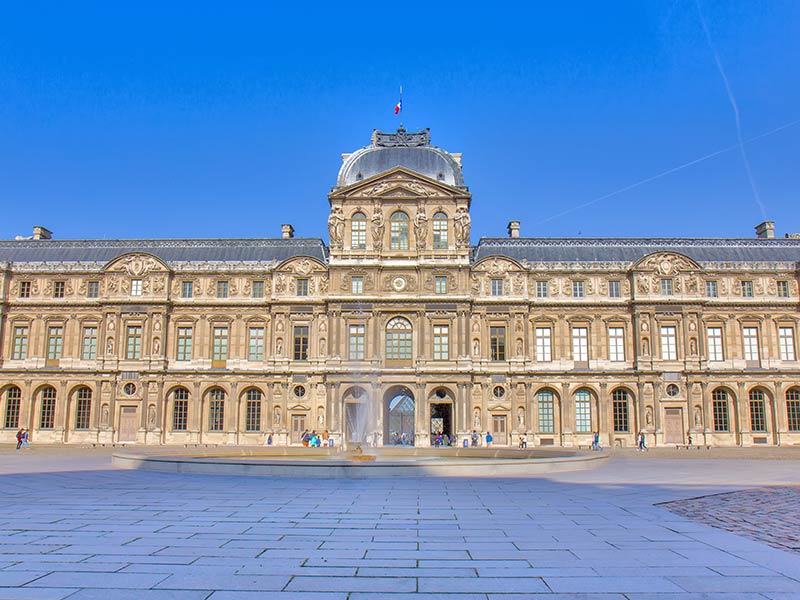
When it was built, people hated it. They called it a scar on the face of Paris. But standing there now, I find myself wondering if the critics were just afraid of change. The pyramid is pure geometry. It is transparent. It reflects the sky and the old palace stones simultaneously. For a teenager, I think the Louvre is a lesson in confidence. It says that you can respect history while still daring to be modern. You can be two things at once.
Notre-Dame: The beauty of resilience
We often think of stone as permanent, but recent years have taught us that even cathedrals are fragile. The fire that tore through Notre-Dame was a tragedy, but the restoration is a miracle.
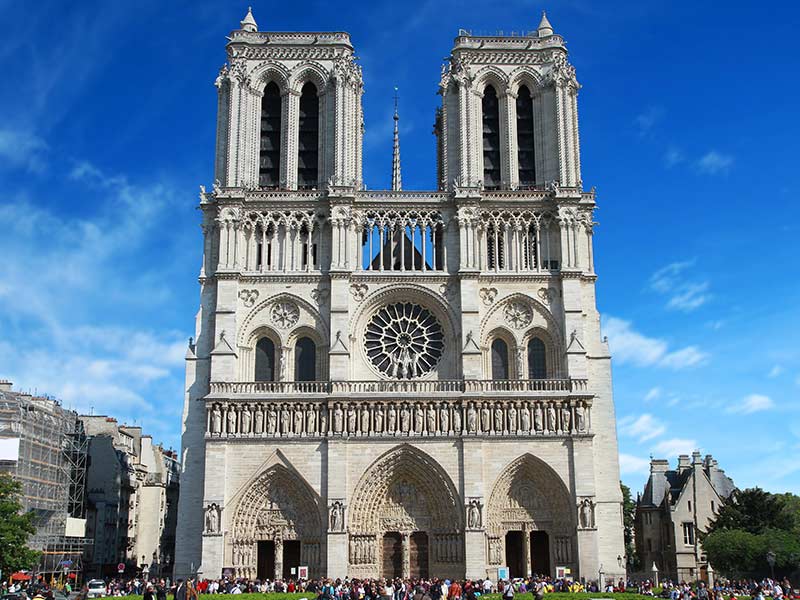
As the cathedral prepares to reopen its doors in late 2024, it stands for something more than just Gothic architecture. It stands for resilience. When you look at the flying buttresses—those arched stone ribs that hold the walls up from the outside—remember that they were an engineering revolution. They allowed the walls to be thinner, the windows to be bigger, and the light to pour in. It is a building designed to reach for the sky, even when it has been burned. There is a profound hope in that.
Arc de Triomphe: The view from the center
There is a specific feeling you get when you stand at the top of the Arc de Triomphe. You have to earn it, of course—climbing the 284 steps of the spiral staircase. But once you emerge, you see Paris in a way that makes sense.
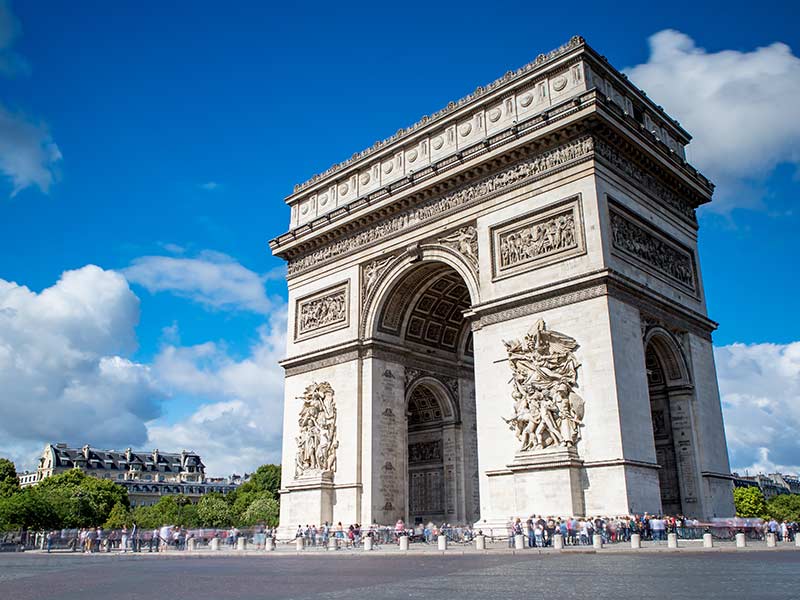
Twelve avenues radiate out from the Arc like the spokes of a wheel. It creates a star pattern (hence the historic name, Place de l’Étoile). It is satisfyingly organized. Life at 15 or 16 often feels chaotic. School, friends, the future—it’s a jumble. But looking down from the Arc, you see a grid. You see structure. It is a reminder that even in a sprawling city, there is a plan. There is a path forward.
Join Us in Paris!
Paris: The avant-garde and the exposed
If the historic center is about perfection, the modern parts of Paris are about honesty. These are the buildings that don’t care if you like them. They just want you to feel something.
Centre Pompidou: Wearing your heart on your sleeve
I have always felt a kinship with the Centre Pompidou. It is the “inside-out” building. The architects, Renzo Piano and Richard Rogers, decided to take all the things usually hidden inside walls—plumbing, electrical wires, air ducts—and put them on the outside.
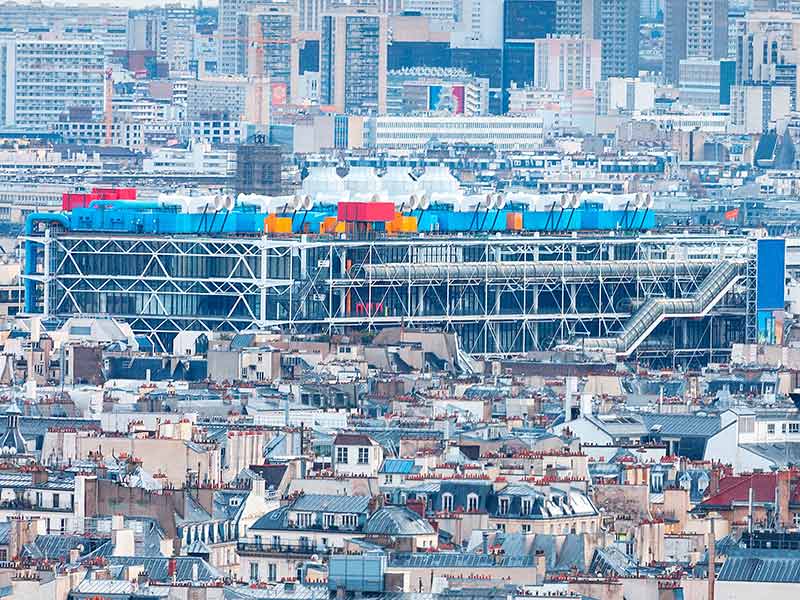
They color-coded them, too. Blue for air, green for water, yellow for electricity, and red for elevators. It is radically vulnerable. It hides nothing. Isn’t that what it feels like to be a teenager sometimes? Like your insides are on the outside, and the whole world can see your mechanics? The Pompidou suggests that there is beauty in that transparency. It’s not messy; it’s functional, colorful, and unapologetically itself.
The Louis Vuitton Foundation: Breaking the mold
If the Louvre is geometry, Frank Gehry’s Louis Vuitton Foundation is a cloud. Located in the Bois de Boulogne, it looks like a sailboat that has been caught in a storm and frozen in time.
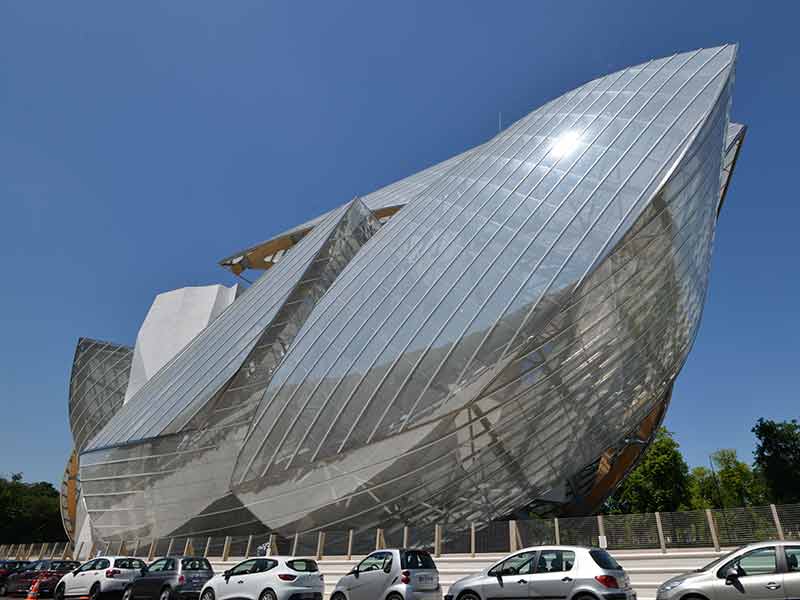
There are no straight lines here. The twelve glass “sails” overlap and twist. It feels impossible that it is standing up. This building challenges the very idea of what a building should be. It suggests that rules—like gravity, or the idea that walls must be straight—are merely suggestions. It is a space that invites you to dream.
La Géode: The world reflected
In the Parc de la Villette, there is a giant, perfect mirror sphere called La Géode. It houses a cinema, but the exterior is the real attraction. It reflects the sky, the grass, and the people walking by.
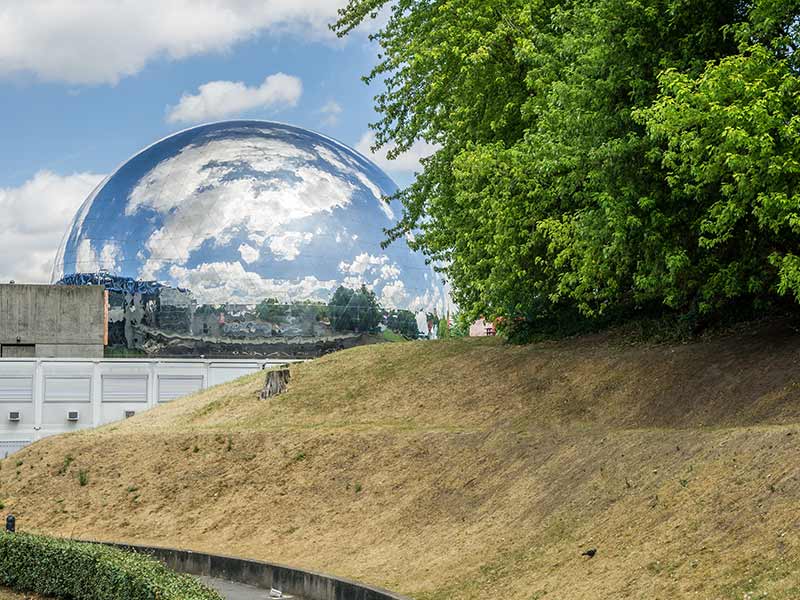
When you stand in front of it, you see yourself, but distorted and part of the larger landscape. It creates a moment of pause. You are part of the architecture. You are part of the city.
London: The weight of power
Crossing the channel to London, the vibe shifts. If Paris is a romance, London is a drama. It is a city of power, commerce, and kings.
Tower of London: History you can feel
Some places feel haunted, not by ghosts, but by memory. The Tower of London is one of them. It has been a palace, a fortress, and a prison. Standing near the White Tower, built by William the Conqueror nearly a thousand years ago, you feel the weight of authority.
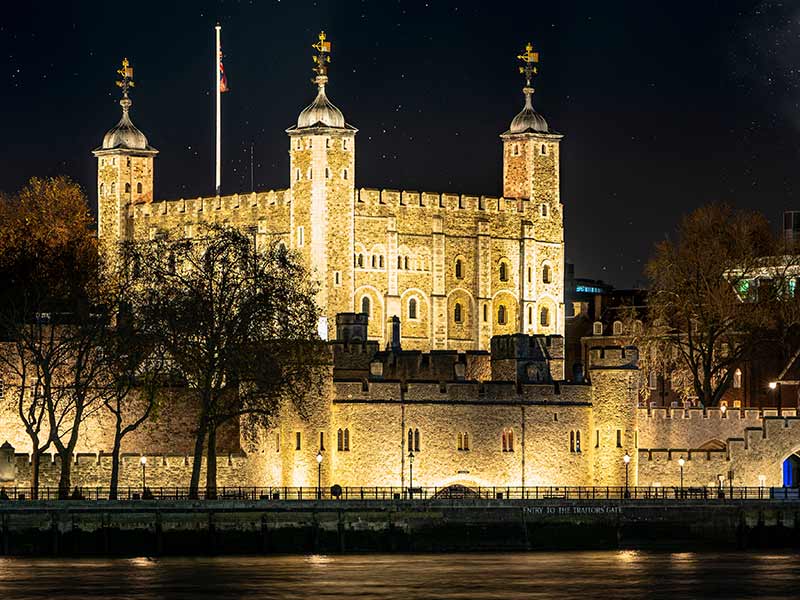
This isn’t a fairy tale castle. It’s thick, defensive stone. It reminds you that history wasn’t always polite. It was rough and dangerous. Yet, the Crown Jewels are kept here—sparkling symbols of the monarchy. The contrast between the cold stone dungeons and the glittering diamonds is jarring. It makes you question what power really means.
Westminster Abbey and the Houses of Parliament
You have seen them in movies. You have seen them on the news. But seeing the Houses of Parliament and the Elizabeth Tower (home to Big Ben) in person is different.
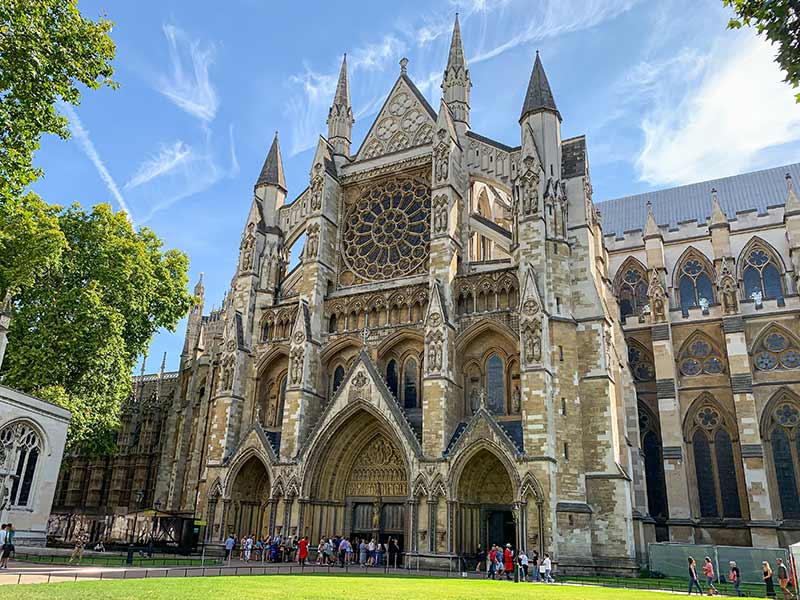
The Gothic Revival style is covered in spikes, intricate carvings, and soaring vertical lines. It was designed to look old even when it was rebuilt in the 1800s, to connect the Victorian era back to a “golden age” of faith and chivalry. It is architectural storytelling—using a building to project an image of stability. And Westminster Abbey, just across the road, holds the tombs of kings, queens, scientists, and poets. It is a library of human lives, written in stone.
Join Us in London!
London: Reaching for the clouds
London doesn’t just look back; it races forward. The skyline has changed drastically in the last twenty years, filled with shapes that have earned funny nicknames but serious respect.
The Shard: A shard of glass through the heart of the city
Renzo Piano, the same mind behind Paris’s Pompidou, gave London The Shard. It is currently the tallest building in the UK. It looks exactly like its name—a jagged piece of glass piercing the sky.
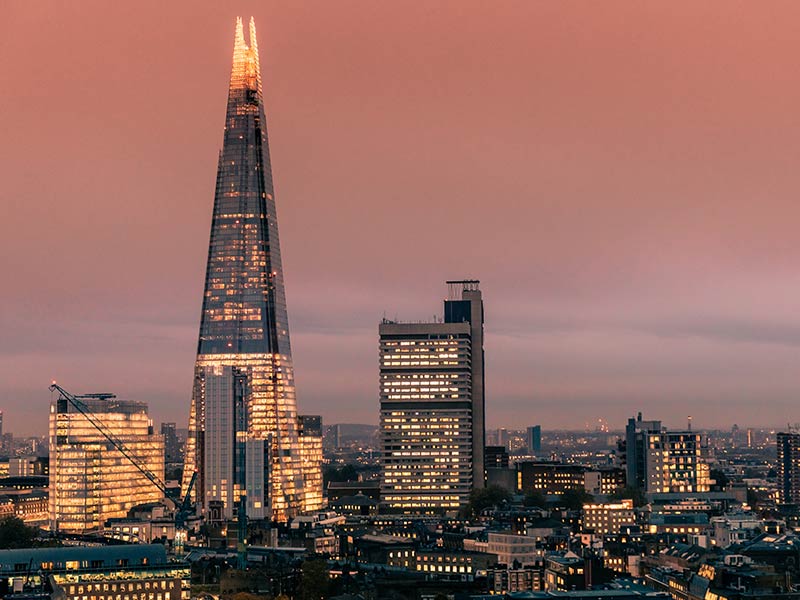
From the viewing platform, London looks like a circuit board. You see the train lines snaking out, the bend of the Thames, the clusters of neighborhoods. It changes your perspective on scale. On the ground, London feels overwhelming and endless. From the Shard, you can hold the whole city in your gaze. It makes the impossible scale of the world feel manageable.
The Gherkin: The shape of efficiency
30 St Mary Axe, affectionately known as The Gherkin, is famous for its pickle-like shape. But it’s not just shaped that way to look cool. The spiral design helps direct wind around the building and uses natural air flow to help cool and heat the interior.
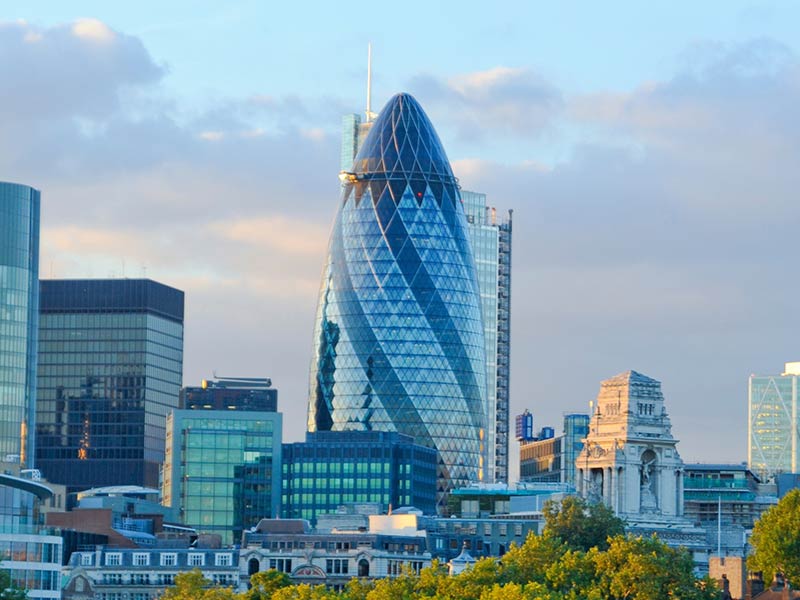
It was one of the first “eco-skyscrapers.” For a generation that cares deeply about the climate and our future, The Gherkin is a monument to smart design. It proves that we can build massive things without ignoring the environment.
Battersea Power Station: Industrial rebirth
This is my favorite comeback story in London. For decades, this massive brick power station sat abandoning on the riverbank. It was a shell, famous mostly for being on the cover of a Pink Floyd album.
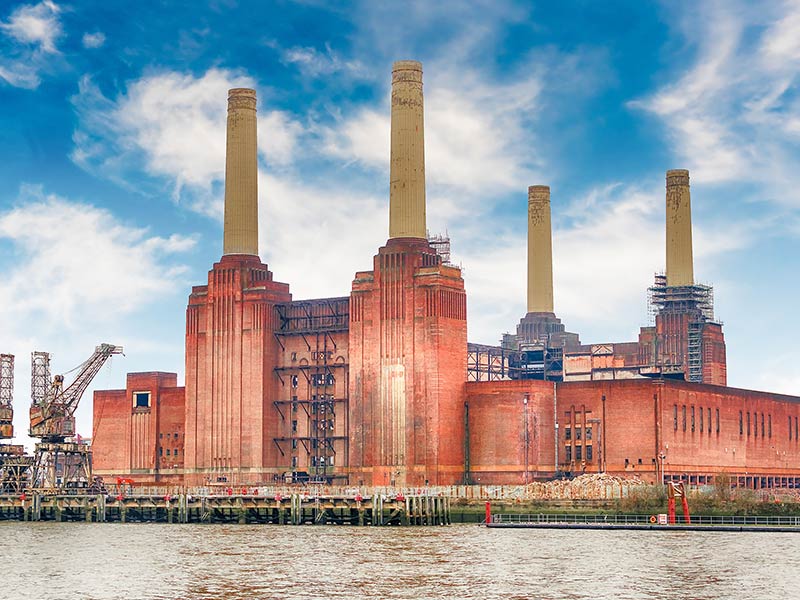
Recently, it was brought back to life. They didn’t tear it down. They kept the four iconic white chimneys and the brick facade, but transformed the inside into shops, offices, and apartments. It is a lesson in potential. Just because something is old or disused doesn’t mean its story is over. It can be reimagined.
Architecture is an experience, not a postcard
The mistake most tourists make is thinking that architecture is something you look at. I believe architecture is something you must be in.
The Sky Garden
Instead of paying for a view, you can book a free ticket to the Sky Garden at 20 Fenchurch Street (the “Walkie Talkie” building). It is literally a garden in the sky. Ferns and succulents grow against a backdrop of steel and glass high above the Thames. It is a strange, quiet pause in the middle of the chaotic financial district. It asks the question: Can nature and the city coexist?
The Rooftops of Paris
In Paris, the experience isn’t about one building, but the collective “grey sea” of zinc rooftops. Finding a terrace—whether at a department store or a museum like the Pompidou—puts you level with the chimney pots. It is intimate. You feel like a secret observer, watching the city breathe.
How will you see these stories?
You can read about these buildings in books. You can watch videos on TikTok. But to really understand the scale of the Eiffel Tower or the silence of Westminster Abbey, you have to be there.
And I would argue that how you get there matters.
Sitting on a tour bus, separated from the world by a pane of tinted glass, makes the city feel like a TV screen. You are just watching it pass by. But when you are on a bike with a backpack, you are part of the city’s rhythm. You feel the wind coming off the Seine. You smell the rain on the London pavement. You earn every view with the power of your own legs.
This summer, Teen Treks is running our European Grand Tour—a 30-day loop that connects London and Paris (and Amsterdam and Bruges!).
We don’t do “tourist” trips. We do summer teen traveler trips. Our treks are self-supported, meaning you carry your own gear. You learn how to fix a flat tire. You work with your group to cook meals and navigate the map. It is unplugged, so instead of staring at a screen, you are staring at the Gothic spires of Notre-Dame or the lights of the Eiffel Tower at night.
It is a chance to grow your independence. To feel capable. To realize that you are not small, but a vital part of this huge, historic, beautiful world.
If you are ready to see these buildings not just as backdrops, but as milestones on your own journey of discovery, we would love to ride with you.