It was 2:00 AM at our kitchen table when I realized I wasn’t a kid anymore. The house was quiet and my parents had gone to bed hours earlier, but downstairs the lights were still on. Four of us, friends I had known since freshman year, were gathered around a laptop comparing rental prices, mapping routes, and calculating gas money down to the dollar. We were not just talking about a trip. We were organizing it. Assigning responsibilities. Setting a budget. Making real decisions.
At some point I glanced toward the staircase, aware that my parents were upstairs. Years later, my mom told me she had stood halfway down the stairs that night, listening. Not to interrupt or supervise, but to observe. She said it struck her that we were negotiating, compromising, and solving problems on our own. I was not asking for constant approval or waiting to be told what to do. I was stepping into responsibility without even realizing it.

That is the quiet power of travel for teenagers. We can talk about independence and resilience all day long, but planning and experiencing a trip with friends forces those qualities to take root naturally. In a world where so much of adolescence unfolds behind screens, stepping into the real world becomes more than a getaway. It becomes practice for adulthood.
The Shift: From Digital Connection to Real-World Isolation
I hear parents saying, “Put the phone away,” a lot lately. Maybe you do, too. It’s the mantra of modern parenting. We are witnessing a paradox where our teens are more “connected” than any generation in history, yet reports from the CDC and the Surgeon General suggest they are also the loneliest.
The digital world offers a sanitized, filtered version of reality. It’s a place where mistakes can be deleted and interactions are often transactional.
But the real world? The real world is messy, beautiful, and delightfully unscripted.
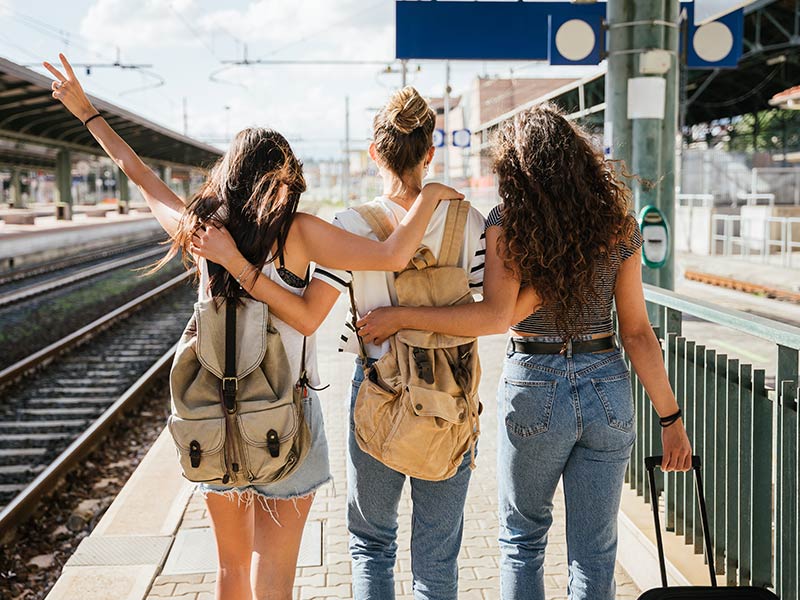
Travel forces a hard reset on this dynamic. When a teenager is standing at the foot of a redwood tree in California or navigating a bustling market in Marrakech, the dopamine hit doesn’t come from a “like” on Instagram (read this article). It comes from the visceral awe of the environment. It comes from the realization that the world is vast, and they are a small, but significant, part of it.
Travel bridges the gap between digital isolation and human connection. It demands eye contact. It requires reading body language. It asks them to be present in a way that an app never will.
Personal Growth and Independence
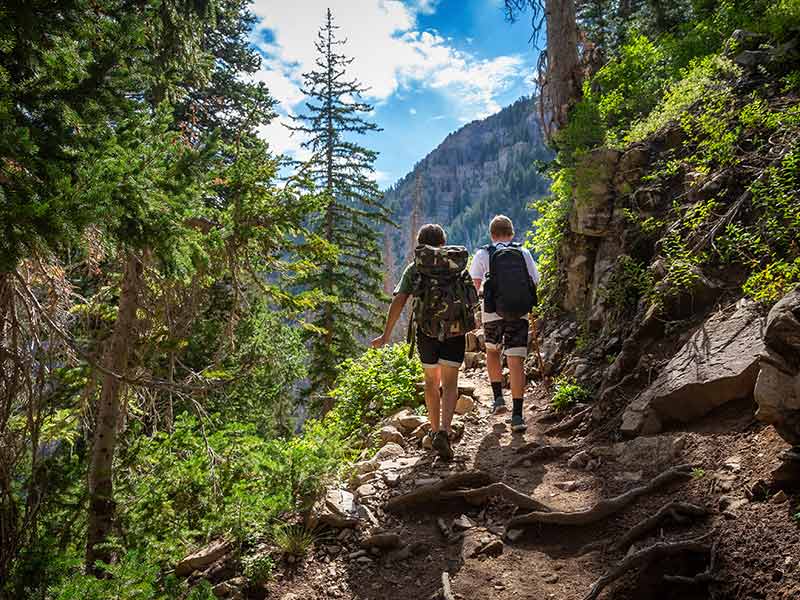
There is a specific kind of magic that happens when a teenager realizes they are capable of navigating the unknown. It’s the difference between being a passenger in life and grabbing the handlebars.
The Art of Self-Reliance
At home, the safety net is always visible. The fridge is stocked, the laundry is done (mostly), and if they forget their homework, we might just drive it to school. On the road, that net disappears.
Traveling independently—or even within the structure of a teen tour—forces adolescents to manage their own existence. They have to budget their spending money. They have to keep track of their passport. They have to figure out what to do when they miss a train or get a flat tire.
These aren’t just logistical hiccups; they are micro-lessons in problem-solving. Every time a teen solves a problem on the road without texting a parent for the answer, they add a brick to the foundation of their self-esteem. They learn that they are resourceful. They learn that they can handle discomfort. They learn that they are stronger than they look.
Breaking Barriers and Dismantling Stereotypes
We target polarization as if it is the bane of society, but I am beginning to wonder if the diffusion through differences is, in fact, very natural—and necessary. The only way to diffuse fear of the “other” is to meet them.
Teenagers today are bombarded with headlines that paint the world as a scary, divided place. “News,” by definition, reports on the unusual and the negative. It rarely reports on the kindness of strangers.
Join Us in France!
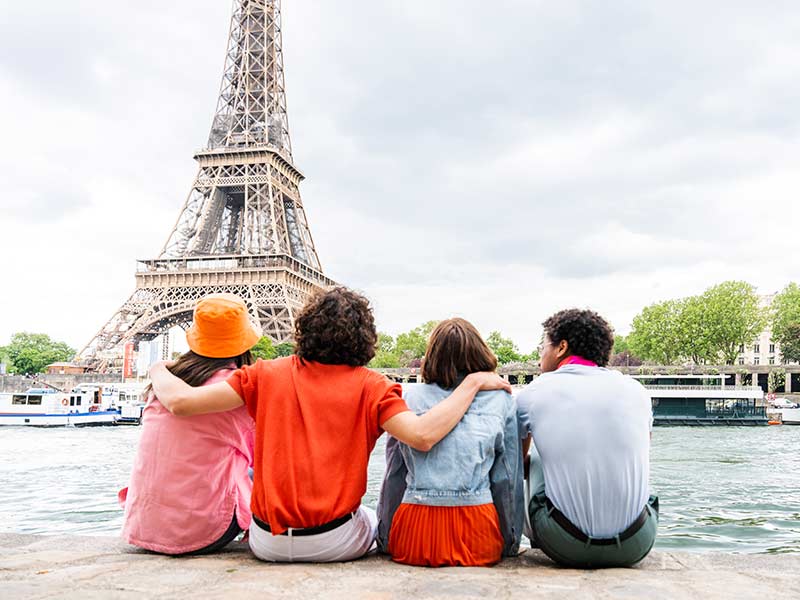
Travel is fatal to prejudice. When a teen shares a meal with a host family in Italy or bikes alongside local kids in Amsterdam, the “cartoonish” stereotypes they may have absorbed begin to dissolve. They learn that people, fundamentally, want the same things: safety for their families, a sense of community, and a chance to be happy.
This isn’t about ignoring global issues; it’s about humanizing them. It turns abstract concepts into real faces and names. It fosters empathy in a way that a textbook never could.
Educational Value Beyond the Classroom
I’m a firm believer that the best classroom has no walls. You can study the Spanish Civil War in a history book, and you might pass the test. But walking the streets of Barcelona, seeing the scars on the buildings, and hearing the local language flow around you? That stays with you forever.
Immersive Learning
Consider the difference between conjugation drills and needing to order lunch in a small town in Provence where no one speaks English. The stakes are different. The learning is immediate and practical.
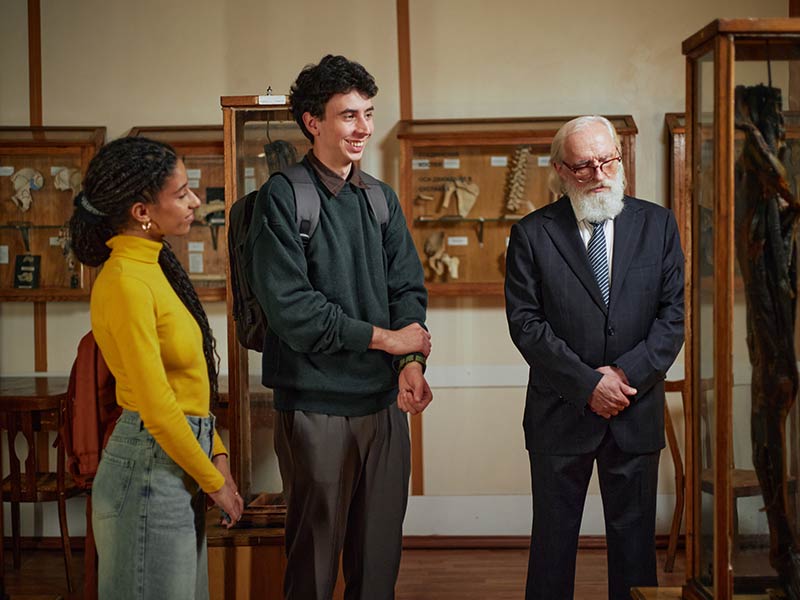
Travel provides context. It turns geography from lines on a map into mountains that make your legs burn when you hike them. It turns art history from slides on a projector into the breathtaking reality of the David in Florence.
For teens looking toward college and careers, these experiences provide a competitive edge. Admissions officers and employers aren’t just looking for grades; they are looking for curiosity, adaptability, and a global perspective. A teen who has navigated a foreign country has proven they possess all three.
Adventure and Resilience
Comfort zones are beautiful places, but nothing ever grows there.
Adolescence is a time of testing boundaries. If we don’t provide healthy, constructive ways for them to push their limits, they often find unhealthy ones. Adventure travel offers a “calculated risk”—a safe container for wild experiences.
Imagine your teen engaging in:
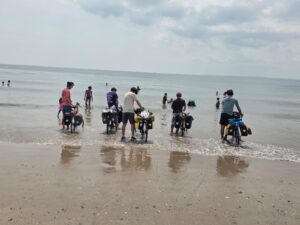
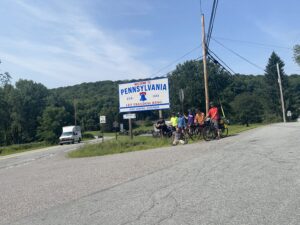
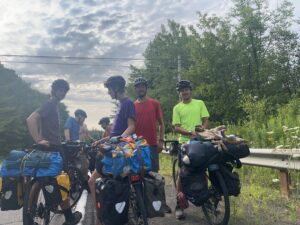
- Bike Trekking: pedaling 40 miles a day, feeling the burn in their quads, and realizing their body is a machine capable of incredible things.
- Whitewater Rafting: Facing the rush of the rapids in Banff, working as a team to navigate the water.
- Surfing: Learning humility and persistence with every wave in Costa Rica.
These physical challenges build resilience. They teach teens that they can be tired, wet, cold, or scared, and still keep going. That is a lesson that translates directly to the pressures of high school, college, and adulthood.
Join Us in California!
The Power of Unplugging
Recently, I’ve been thinking about the sound of silence. Real silence. Not just the absence of noise, but the absence of the constant digital hum that fills our lives.
Many teen travel programs now enforce “no-phone” or “limited-phone” policies. At first, the teens panic. It’s like phantom limb syndrome; they reach for pockets that are empty. But give it 24 hours.

Sustainable and Meaningful Travel
Gen Z is perhaps the most environmentally and socially conscious generation we’ve seen. They crave purpose. They don’t just want to see the world; they want to know they aren’t hurting it.
Eco-friendly tourism and meaningful volunteering align travel with these core values. This isn’t about “voluntourism” where unskilled teens take jobs from locals. It’s about learning and exchange. It’s about understanding sustainable practices in the Netherlands or conservation efforts in American National Parks.
When teens engage in sustainable travel, they learn stewardship. They understand that the beauty of the world is fragile and that they have a responsibility to protect it.

Without the crutch of a screen, something miraculous happens. They start talking to each other. Deep, late-night conversations about fears and dreams. Inside jokes that become the lore of the trip. They look out the window at the passing scenery instead of scrolling through TikTok.
Unplugging fosters authentic friendships. It allows teens to reinvent themselves away from the social hierarchy of their high school hallways. In a group of strangers where no one knows who is the “jock” or the “geek,” they are free to just be themselves.
Destinations for Every Teen
Not every teen is ready to backpack across Peru, and that’s okay. The key is matching the destination to the experience level.
For the First-Timer: The United States & Canada
For teens (and parents) nervous about that first big trip, staying closer to home is a great first step.
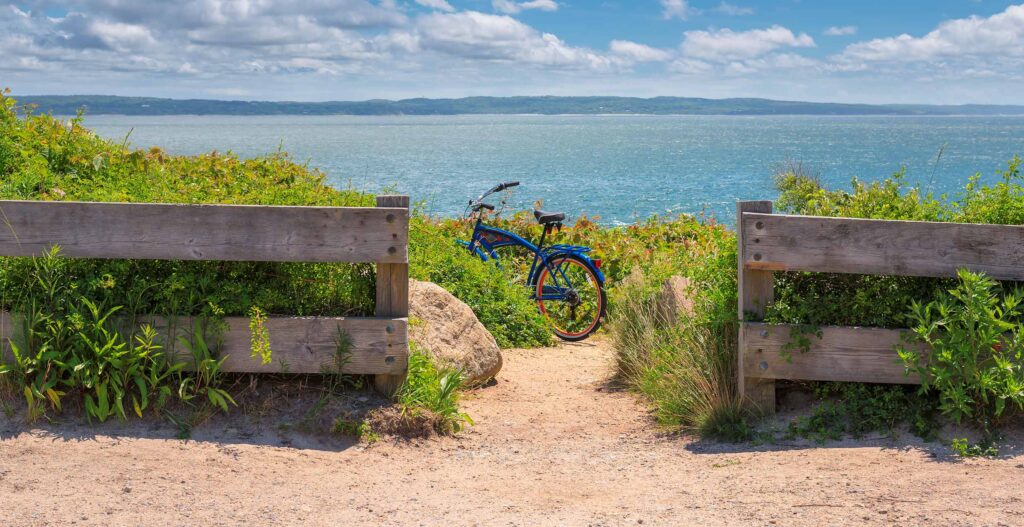
- New England or the Pacific Coast: These areas offer stunning scenery and manageable culture shock.
- Banff and Montreal: Canada feels international but familiar, offering safety and incredible natural beauty.
For the Culture Seeker: Western Europe
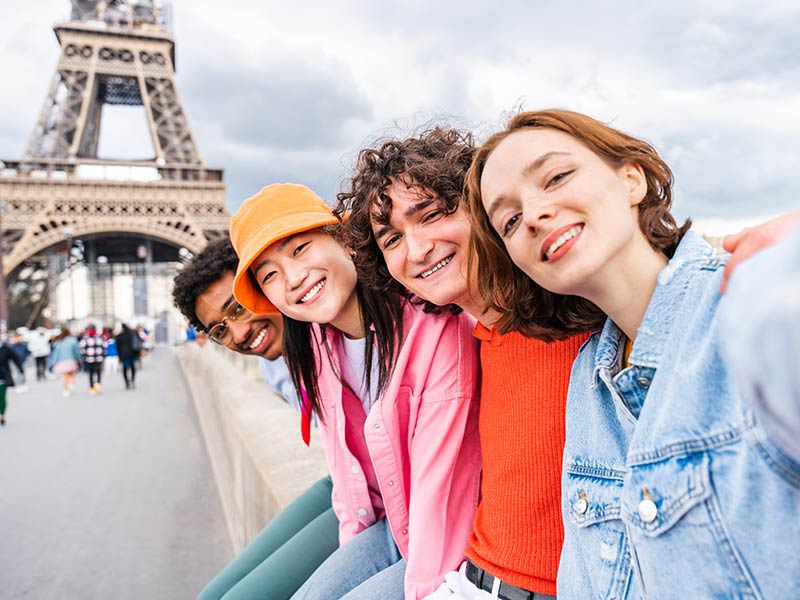
Once they are ready for a passport stamp, Europe is the classic classroom.
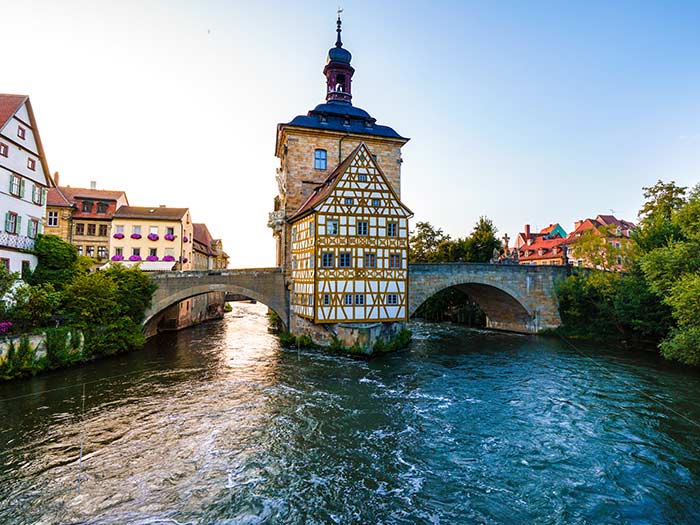
- The Netherlands and Belgium: Flat terrain perfect for cycling and rich in history.
- Spain and Italy: Vibrant cultures that welcome teenagers with open arms (and incredible food).
For the Adventurer: Beyond the Beaten Path
For the experienced teen traveler ready for a challenge.
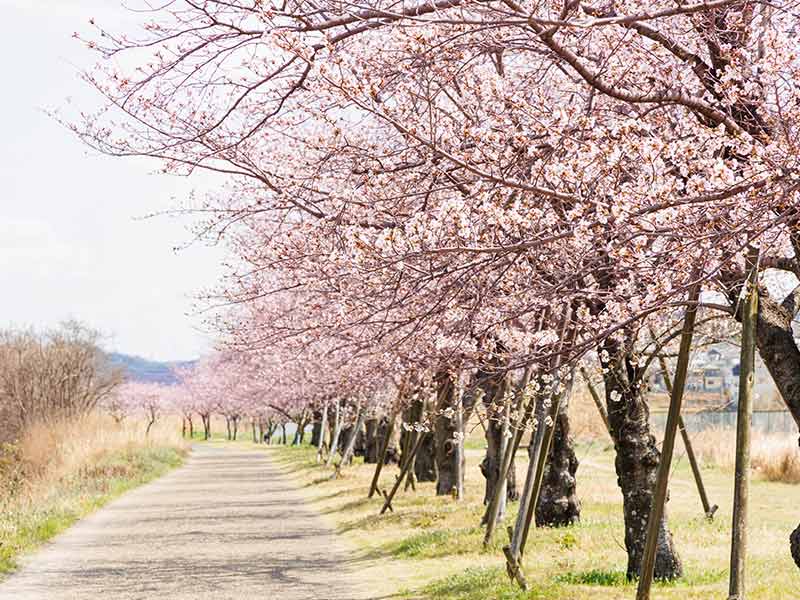
- Japan: A fascinating blend of hyper-modern and deeply traditional.
- Costa Rica: The ultimate playground for eco-adventure.
Advice for Parents: Giving Them Wings
I know the knot in your stomach. I have felt it. Sending them away feels like walking around with your heart outside your chest. We live in a culture of fear-based parenting, where we are told that the world is dangerous and our kids are fragile.
But we have to ask ourselves: What is the cost of keeping them grounded?
If we want them to fly, we have to open the cage.
- Start Small: You don’t have to start with a month-long expedition. Start with a week-long domestic trip.
- Trust the Professionals: There are organizations that have been doing this for decades. They know how to balance safety with freedom.
- Let Them Plan: Involve your teen in the process. Let them choose the destination or the activity. Buy-in is crucial.
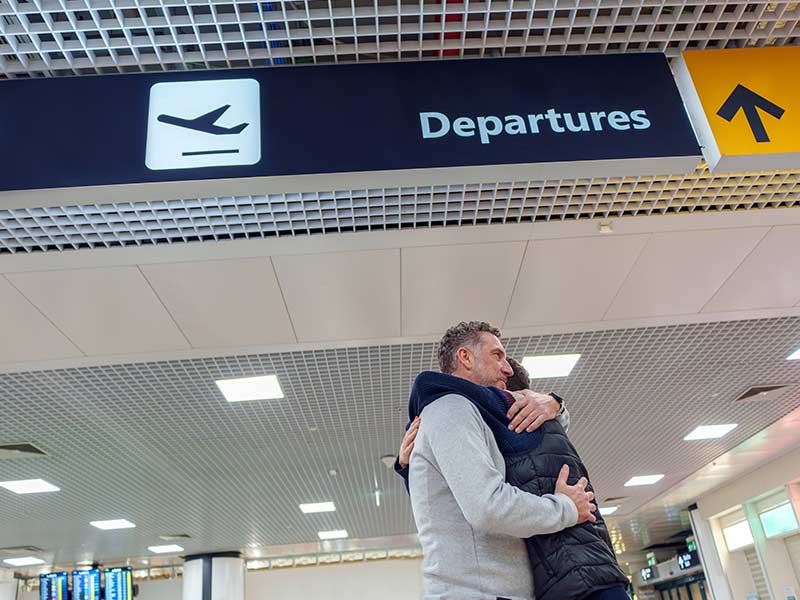
- The “No News is Good News” Rule: Agree on communication protocols before they leave. Constant checking in prevents them from fully immersing in the experience.
Final Thoughts on Travel for Teenagers
We are raising the next generation of leaders, thinkers, and creators. We want them to be empathetic. We want them to be resilient. We want them to solve problems we haven’t even encountered yet.
Travel is the crucible where these qualities are forged.
When your teen returns, they might look the same. They’ll still leave their wet towel on the floor. They’ll still roll their eyes at your jokes. But look closer. There will be a new steadiness in their gaze. A confidence in how they carry themselves. They will have seen the horizon, and they will know that they can reach it.
For 25 years, Teen Treks has understood this mission. We aren’t just about bike tours; we are about helping teenagers discover who they really are. From the coasts of California to the canals of Amsterdam, we have watched over 6,750 teenagers unplug, pedal, and grow into independent leaders.
The world is waiting for them. Are you ready to let them go see it?