I was sitting on my back porch the other day, watching the sun dip below the snow-covered treeline, realizing how quickly the seasons bleed into one another. It feels like just yesterday we were shedding layers for summer, and now, the cool winds are creeping back in. It made me think about time—specifically, how we spend the pockets of time we are given.
For teenagers, summer used to be a vast, empty canvas of boredom. But lately, I’ve noticed a shift. The canvas is crowded. There is a pressure to fill every week with productivity, to pad resumes, to get ahead. But I wonder: are we focusing so much on the “doing” that we are forgetting the “becoming“?
Summer is a unique container for growth. It is a time when the rigid bells of the school day fall silent, and a young person can finally ask, “Who am I when no one is grading me?“

Whether you are a parent watching your child navigate these formative years, or a student feeling the itch to step outside your comfort zone, this guide is an invitation to explore. We are going to look at summer programs—not just as items on a bucket list, but as catalysts for the kind of independence and self-discovery that you carry with you for the rest of your life.
Academic Summer Programs
I remember the first time I realized learning didn’t have to happen at a desk. It was a revelation. Academic summer programs are not about more school; they are about deep-diving into the questions that keep you up at night. They are for the students who find themselves unsatisfied with the surface-level skimming of a standard curriculum.

Telluride Association Summer Seminar (TASS)
There is something profound about sitting in a room with people who challenge your worldview. TASS is designed for exactly that. It isn’t just a history or literature camp; it’s an interrogation of power. Open to sophomores and juniors, this free six-week program creates a community where students explore how privilege and power shape our social structures. It’s intense, intellectual work, but it creates the kind of critical thinking that changes how you navigate the world.
Research Science Institute (RSI)
If you have ever looked at a scientific problem and felt a buzz of excitement rather than intimidation, RSI might be your place. Hosted at MIT, this is the gold standard for science research. It is cost-free and incredibly competitive, bringing together the most brilliant young minds to experience the entire research cycle. It’s not just about learning science; it’s about becoming a scientist.
Minority Introduction to Engineering and Science (MITES)
We often talk about the importance of diversity in STEM, but MITES puts that philosophy into practice. Also held at MIT, this program is rigorous. It pushes students from underrepresented backgrounds to test their limits in engineering and science. But beyond the academics, it builds a brotherhood and sisterhood of scholars who support one another.
STEM Summer Programs
Science, Technology, Engineering, and Math—the acronym is everywhere. But stripped of the buzzword, STEM is really about curiosity. It’s about looking at the world and asking, “How does this work, and how can I make it better?”

Stanford Institutes of Medicine Summer Research Program (SIMR)
I have deep respect for anyone drawn to medicine. It requires a specific kind of empathy mixed with technical brilliance. SIMR invites high school juniors and seniors to perform basic research with Stanford faculty. It is a hands-on immersion into the biological sciences, perfect for those who want to understand the mechanics of life itself.
Broad Summer Scholars Program
Located at the Broad Institute of MIT and Harvard, this program offers students a chance to work on cutting-edge genomics and cancer research. It’s paid work, which is rare and valuable. It treats high schoolers not as kids, but as capable researchers contributing to real-world solutions.
Arts Summer Programs
Creativity is an act of bravery. To make something—a painting, a scene, a piece of music—is to expose a part of yourself to the world. Summer arts programs provide the safe harbor needed to take those risks.
Acting and Performance Intensives
For the student who feels most alive on stage, summer conservatories offer a glimpse into the professional world. These programs, often hosted by universities like NYU or dedicated arts camps, strip away the distractions of regular school and allow for total immersion in craft. It is vulnerable work, learning to inhabit another person’s skin, but it builds a profound sense of empathy.
Visual Arts Studios
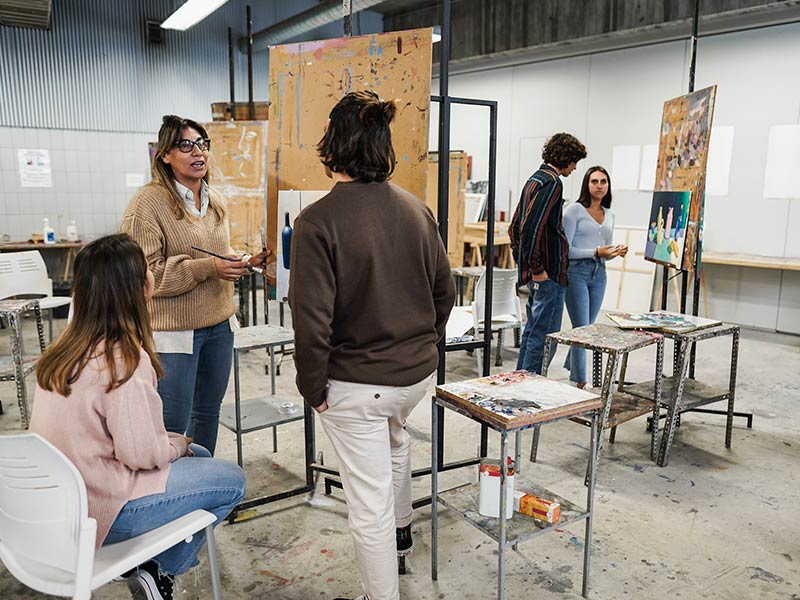
There is a meditative quality to spending six hours a day in a studio. Visual arts programs allow students to build portfolios, yes, but more importantly, they teach the discipline of observation. Learning to see the world—really see light, shadow, and form—is a skill that transcends the canvas.
Travel and Cultural Immersion Programs
I have always believed that you cannot truly understand yourself until you have been lost in a place where you don’t speak the language, or exhausted on a road you’ve never traveled. Travel forces growth. It demands that you figure things out.
Teen Treks
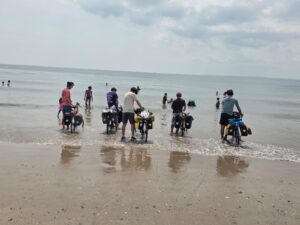
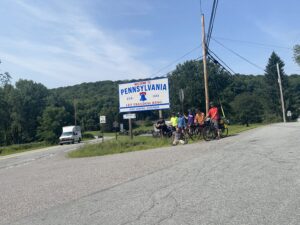
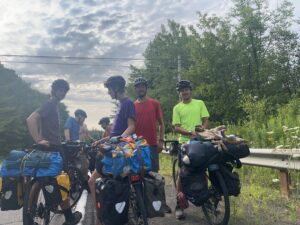
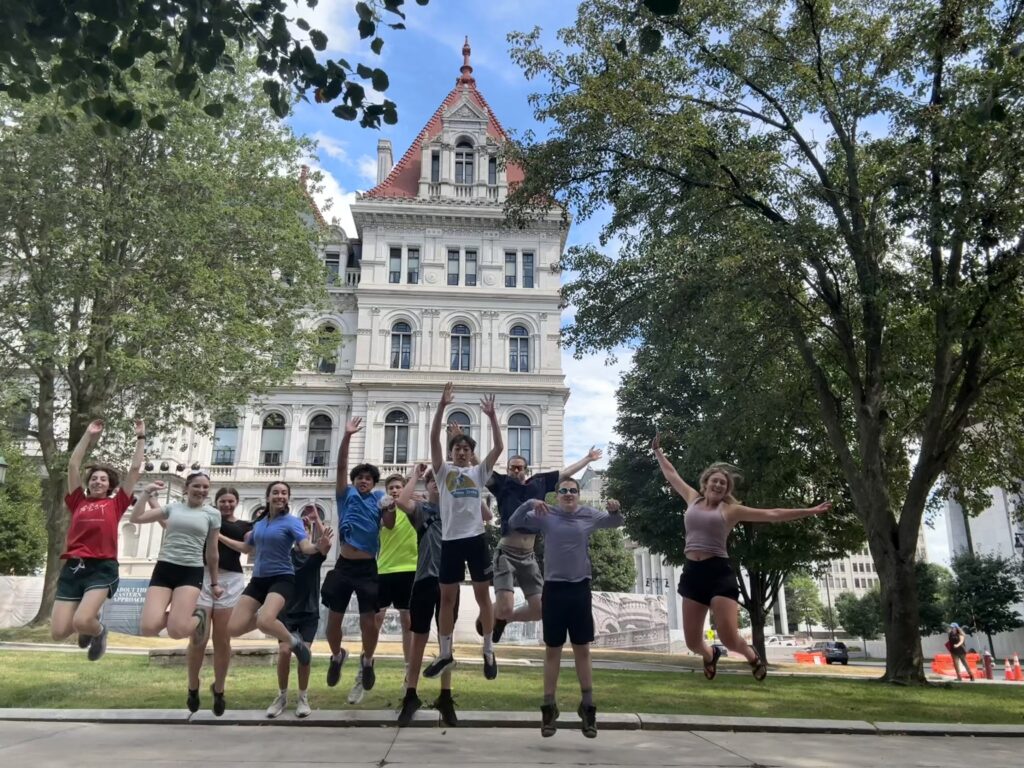
There is a distinct difference between seeing a country through a bus window and feeling the pavement beneath your tires. Teen Treks specializes in bike tours across the U.S., Canada, and Europe. I love this concept because it slows the world down.
When you are on a bike, you are vulnerable to the elements and the terrain. You have to rely on your own two legs to get you up that hill. Teen Treks fosters a unique kind of independence. These trips are “unplugged,” meaning the screens go away, and the real connections begin. Whether it’s the Pacific Redwoods Trek or the European Grand Tour, the focus is on self-reliance and community.
Parents often worry about safety, and rightfully so. Teen Treks balances this need for safety with the teen’s need for autonomy. With small groups and trained leaders, it’s a controlled adventure. You come home with more than just photos; you come home knowing you can navigate the world.
Join a Teek Bike Tour Program
Putney Student Travel
Putney has been around for a long time, and they do an excellent job of blending travel with specific interests. Whether it’s writing in Ireland or community service in Costa Rica, their programs focus on becoming a traveler rather than a tourist. It’s about authentic connection with the local culture.
The Road Less Traveled
True to its name, this organization focuses on service and adventure in places off the beaten path. From building schools to conservation work, they combine the thrill of exploration with the humility of service. It pushes teens to see their role in the global community.
Community Service Programs
We live in a time that can feel very individualistic. Service programs are the antidote to that. They remind us that we are part of a whole, and that we have a responsibility to one another.
Youth Volunteer Corps
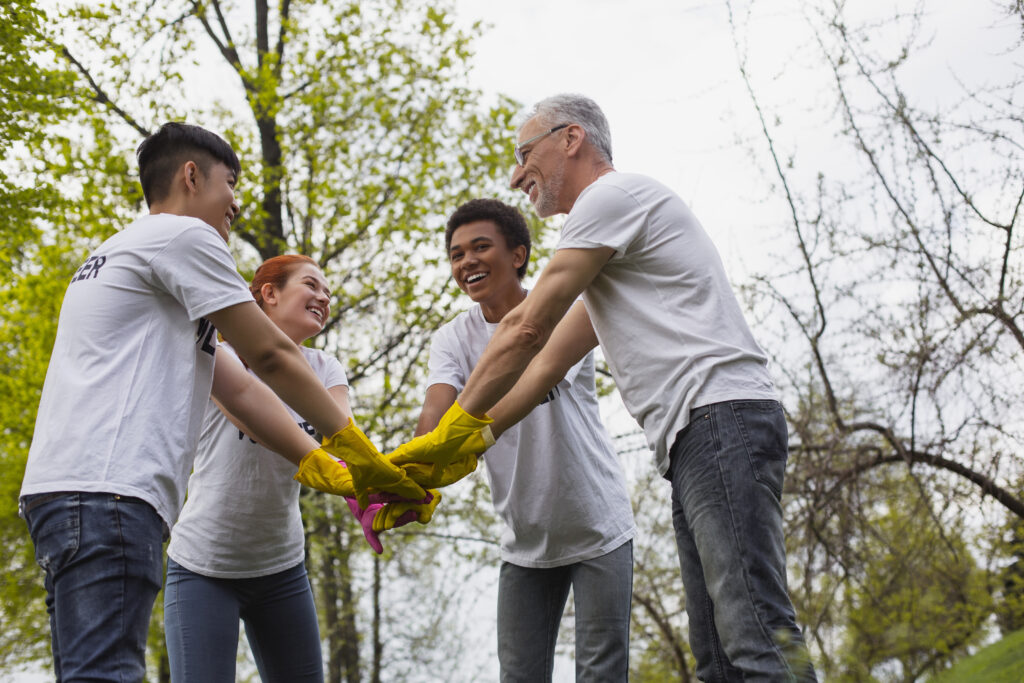
This is a network of opportunities across North America. It’s great for students who want to make a difference but might not be able to travel internationally. It turns volunteering into a team sport, building a lifetime ethic of service.
Habitat for Humanity
There is something incredibly grounding about manual labor. Habitat’s youth programs allow students to pick up a hammer and literally build a future for a family. It’s tangible. You can stand back at the end of the day and say, “I did that.” It teaches teamwork in its rawest form.
Adventure and Outdoor Programs
Nature is the best teacher I know. It doesn’t care about your GPA or your Instagram follower count. It only cares about your resilience.

Teen Treks (again!)
As I shared earlier, not only are we guiding teenagers through city streets and country backroads, but we’re also cooking and camping outdoors, too!
This is why our programs are often categorized as adventure camps for teens and bikepacking summer camps.
Join a Teek Bike Tour Program
Adventure Treks
If you want to trade your phone for a backpack, this is the way to do it. Adventure Treks focuses on building close-knit communities in beautiful wilderness settings. It’s about climbing mountains, paddling rivers, and learning that you are capable of much more than you think. The friendships forged in the woods, stripped of social hierarchies, are often the ones that last the longest.
Business and Entrepreneurship Programs
Some young people just have that spark—the desire to build, to create systems, to solve problems at scale. Business programs nurture that innovative spirit.
Entrepreneurship Incubators
Programs like LaunchX or university-based business camps take students through the lifecycle of a startup. It’s not just about making money; it’s about identifying a problem in the world and designing a sustainable solution. It teaches failure as a necessary step to success, a lesson that is often missing in traditional schooling.
Volunteer Programs
Volunteering is often lumped in with “community service,” but I see it slightly differently. Volunteering is often about entering an existing system and offering your time and energy to keep it running.
Student Conservation Association (SCA)
For the environmentalist, the SCA offers expense-paid internships that are essentially jobs. You might be building trails in a national park or monitoring wildlife. It’s gritty, hard work, and it connects you to the land in a way that hiking never could.
United Nations Volunteers
While opportunities for high schoolers are more limited here than for college students, the online volunteering platform allows teens to contribute skills like writing, design, or translation to global NGOs. It’s a way to be a digital citizen in the best sense of the word.
Financial Aid and Scholarships
I know what you might be thinking. “These sound amazing, but the cost is prohibitive.” It’s a valid fear. But money should not be the wall that stops a young person from experiencing the world.
Almost every program I have mentioned offers financial aid.
- Need-Blind Admissions: Programs like TASS and MITES are completely free.
- Scholarships: Organizations like Teen Treks and Putney have scholarship funds specifically designed to help families bridge the gap.
- Payment Plans: Many organizations allow you to spread the cost over months.
Don’t let the sticker price scare you away before you have asked the question. Reach out to the program directors. Ask about scholarships. You might be surprised at the resources available to those who ask.
Conclusion: The Summer is Yours
As we look toward the warmer months, I encourage you to pause. Don’t just fill the calendar because you feel you have to. Choose a program that speaks to that quiet voice inside you—the one that is curious about how a bicycle gear works, or how a poem is constructed, or what it feels like to stand on a mountain peak.
Whether it’s the physical challenge of a Teen Trek across the coastline or the intellectual rigor of a research lab, these experiences are the bricks that build character. They teach independence. They build self-esteem. And perhaps most importantly, they remind us that the world is vast, and we are just beginning to explore it.
So, take the leap. The summer is yours to define!