Have you ever looked at a map and wondered what life is actually like inside that hexagon-shaped chunk of Europe? Maybe you’re dreaming of skipping geometry class to cycle through lavender fields, or perhaps you’re just hungry for a croissant that actually tastes like butter and clouds.
I remember the first time I set foot in France. I was a teenager, just like you—awkward backpack, limited vocabulary, and a massive appetite for adventure. I stood in the middle of a bustling Paris street, surrounded by the smell of roasting chestnuts and the sound of a language that felt like music, and I realized something: the world is so much bigger, weirder, and more wonderful than what we see on our screens.
France isn’t just about the Eiffel Tower or fancy cheese (though, trust me, we’ll get to those). It’s a place where history, culture, and a distinct love for life collide in the most fascinating ways. Whether you’re a parent hoping your teen gains some worldly independence or a student ready to trade the classroom for a bike saddle, there is so much to uncover.
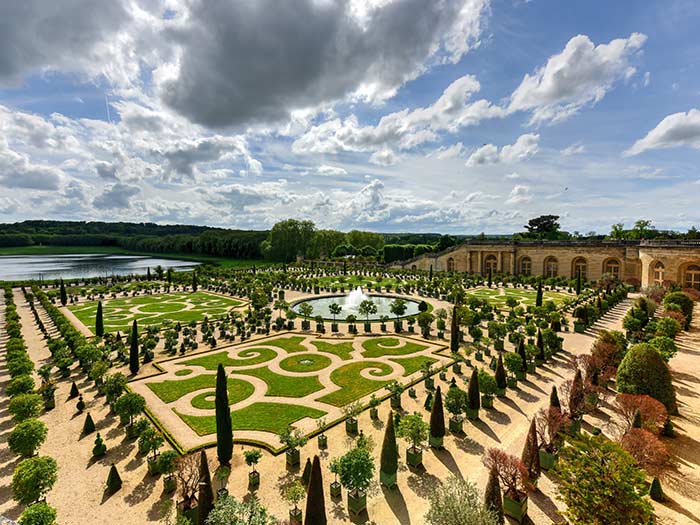
So, before you strap on your helmet for a Teen Trek through the Loire Valley or the streets of Paris, let’s dive into 16 facts about France that prove it’s one of the coolest places on Earth.
1. It’s Not Just a Country, It’s "L'Hexagone"
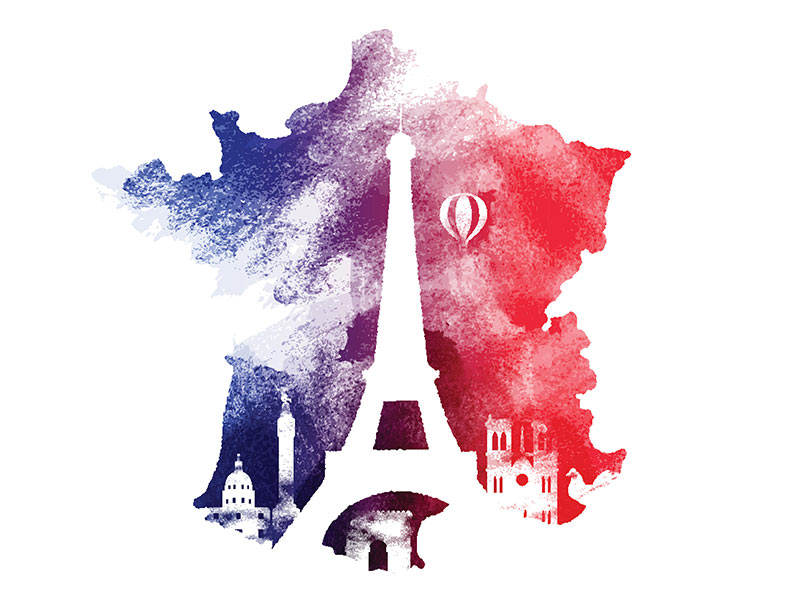
If you look at France on a map, you might notice something satisfyingly geometric about it. It has six distinct sides—three coastlines and three land borders. Because of this, the French often refer to their country as “L’Hexagone” (The Hexagon).
It’s such a deeply ingrained nickname that it’s practically a synonym for the country itself. You’ll hear it on the news, see it in newspapers, and it’s even stamped onto the 1 Euro and 2 Euro coins. It’s a reminder that France is a beautifully contained, balanced entity. When you’re cycling through its countryside, you really feel that diversity—from the rugged Atlantic coast to the snowy Alps and the sunny Mediterranean. It’s like six different worlds packed into one shape.
2. Their Food is Literally a "Masterpiece"
We all know French food is good, but did you know it’s officially important to humanity? In 2010, UNESCO—the United Nations organization that protects world heritage sites like the Pyramids of Giza—added the “Gastronomic meal of the French” to its list of Intangible Cultural Heritage of Humanity.
This doesn’t just mean the food itself is tasty. It honors the entire ritual: setting a beautiful table, pairing specific wines with dishes, the careful selection of local produce, and the conversation that happens while eating. In France, dinner isn’t just fuel; it’s a social event that connects people. When you’re on a bike tour, stopping for a meal isn’t a pit stop; it’s a cultural immersion.
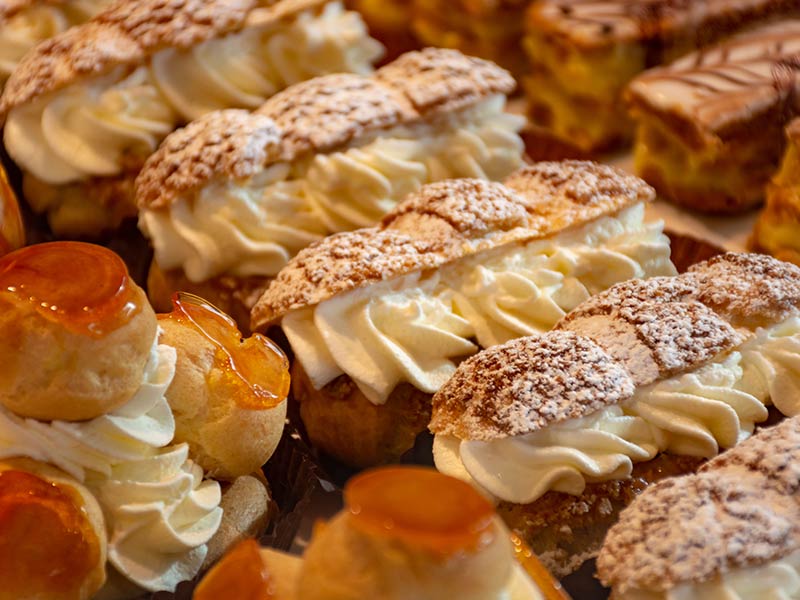
Go here to learn more about the french foods you should eat when visiting France.
3. The Snail Situation is Real (and Massive)
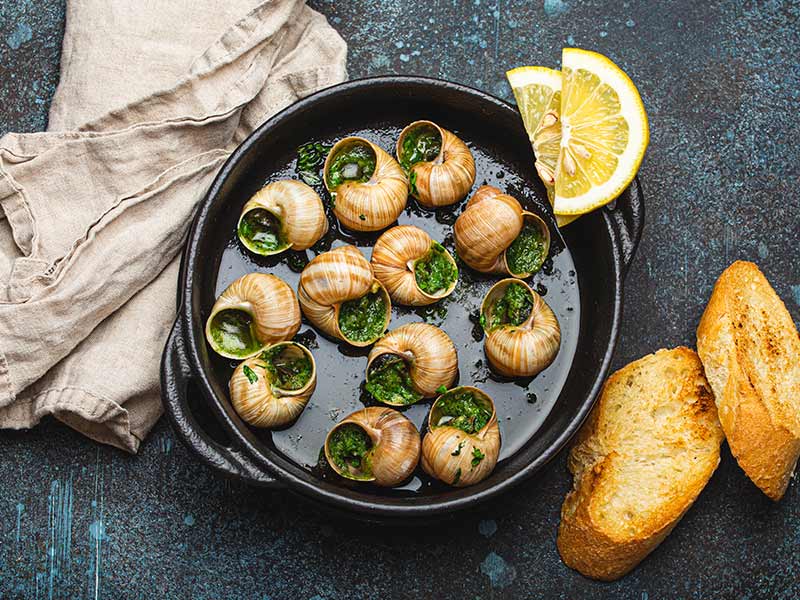
Okay, let’s address the elephant—or rather, the gastropod—in the room. Yes, the French eat snails. A lot of them. Estimates suggest they consume around 25,000 tons of snails (escargots) every year.
I know, I know. If you’ve never tried them, the texture might sound daunting. But cooked in garlic butter, parsley, and wine? They are surprisingly delicious. It’s a rite of passage for any traveler. Sitting in a bistro, using those funny little tongs to extract the meat from the shell, you realize that stepping out of your comfort zone—even just culinarily—is what travel is all about.
4. Trains Are a Way of Life
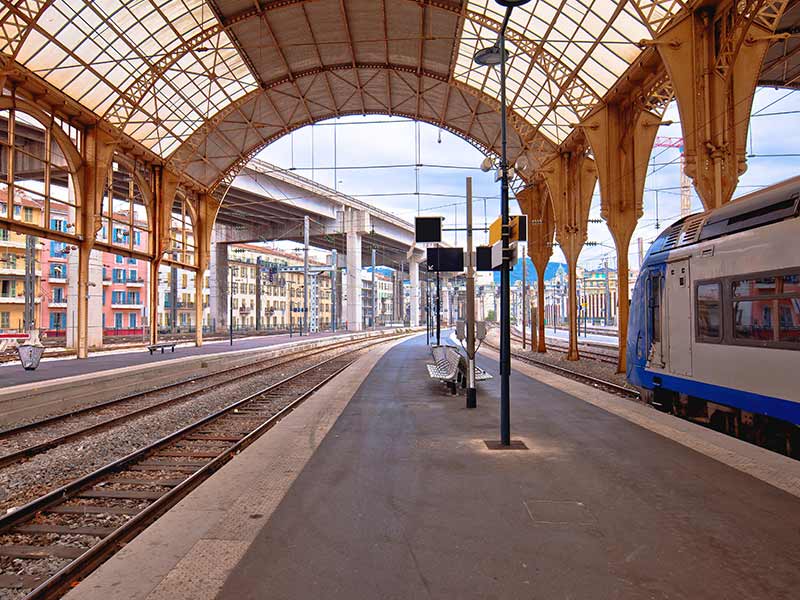
If you love efficiency, you will love the SNCF. The French National Railway network is the second largest in Europe. It’s a spiderweb of high-speed tracks that connects tiny villages to major metropolises.
The TGV (Train à Grande Vitesse) holds world speed records and can whisk you across the country at nearly 200 mph. For a cyclist, this is a dream. It means you can bike from town to town, but if your legs need a break or you want to jump from Paris to the south coast, the train is right there. It’s freedom, interconnected.
5. Respect the Baguette (Side Up, Please)
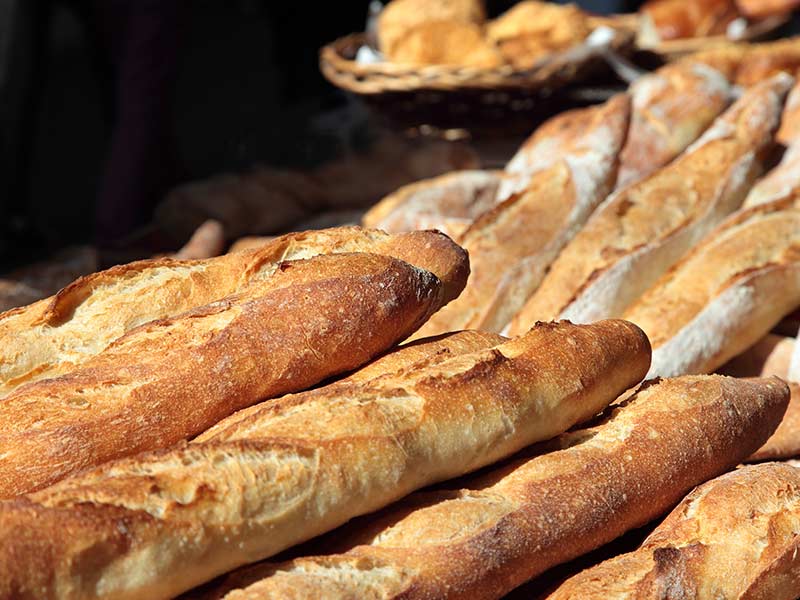
Superstitions are funny things. In France, there is a very specific one involving their beloved bread. You should never, ever place a baguette upside down on a table.
Legend has it this dates back to medieval times when executioners were busy people. Bakers would leave a loaf of bread upside down for the executioner so other customers wouldn’t touch it. Today, placing bread upside down is seen as inviting bad luck (or even inviting death) into the house. If you do it by accident, you might see a French person quickly flip it over and maybe even scratch a cross into the crust to ward off the bad vibes.
6. Everyone Wants to Be There
France isn’t just popular; it is the reigning champion of tourism. For decades, it has consistently ranked as the most visited country in the world, attracting over 90 million international tourists annually (pre-pandemic).
Why? It’s the diversity. You have the glamour of Paris, the history of Normandy, the glitz of the Riviera, and the wild beauty of the Alps. It’s safe, it’s accessible, and it’s endlessly photogenic. For a teenager exploring the world for the first time, there is no better entry point than a country that has perfected the art of welcoming visitors for centuries.
You won’t be the only bikepacker when you’re cycling through France!
Join Us in France!
7. Two Heads Are Better Than One
Navigating politics can be confusing, but France has an interesting system. They have both a President (currently Emmanuel Macron) and a Prime Minister.
The President is the Head of State, elected directly by the people. They focus on big-picture stuff like foreign policy and national security. The Prime Minister is the Head of Government, appointed by the President, and they handle the day-to-day domestic issues. It’s a balance of power that keeps things moving (usually). It’s a great civics lesson to see how different democracies function compared to what you might be used to back home.
8. The English Language Has a French Accent
If you’ve ever struggled with French vocabulary in school, here is some irony for you: French was actually the official language of England for about 300 years.
After William the Conqueror (a Norman from France) invaded England in 1066, French became the language of the court, the aristocracy, and the law. This is why English is so weird today. We use Germanic words for basic things (cow, pig, sheep) and French words for the fancy versions (beef, pork, mutton). So, when you’re learning French, you’re actually learning the roots of your own language.
Join Us in France!
9. The Croissant is an Imposter
This might be the most shocking fact on this list. The croissant, the ultimate symbol of a French breakfast, was actually invented in Austria.
It descends from the Austrian kipferl, a crescent-shaped roll. The story goes that it was brought to France by Marie Antoinette (who was Austrian) or by Austrian artillery officers. The French, being the culinary geniuses they are, adapted the recipe, adding layers of butter and puff pastry to create the flaky masterpiece we know today. It’s a reminder that culture is fluid—we borrow, we adapt, and we make things our own.
10. A Cheese for Every Day of the Year
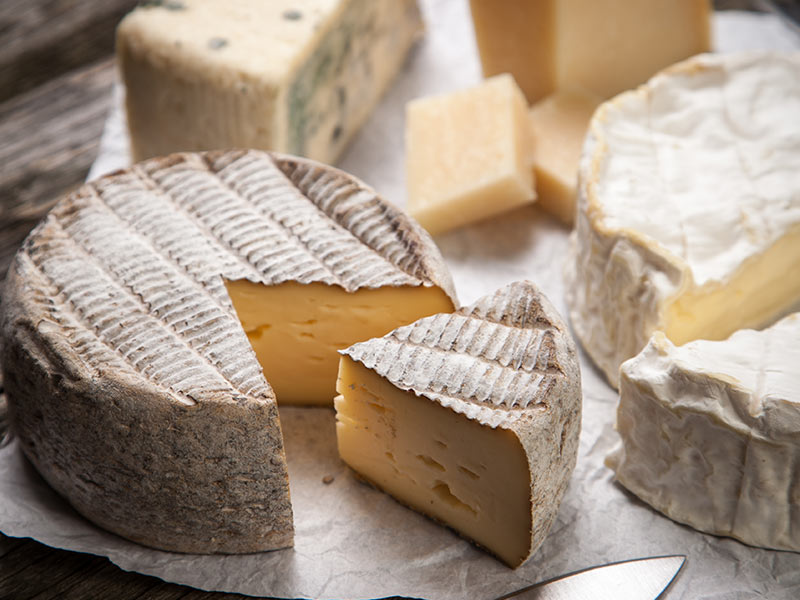
You’ve heard France likes cheese, but the scale is hard to comprehend until you see a supermarket aisle there. France produces more than 400 distinct types of cheese (some estimates say over 1,000 if you count all the local varieties).
General Charles de Gaulle once famously asked, “How can you govern a country which has 246 varieties of cheese?” He had a point. From creamy Camembert to pungent Roquefort, cheese is regional pride. On a Teen Trek, visiting a local market and picking out a cheese you’ve never heard of for a picnic lunch is a daily adventure.
11. Wine is Water (Sort of)
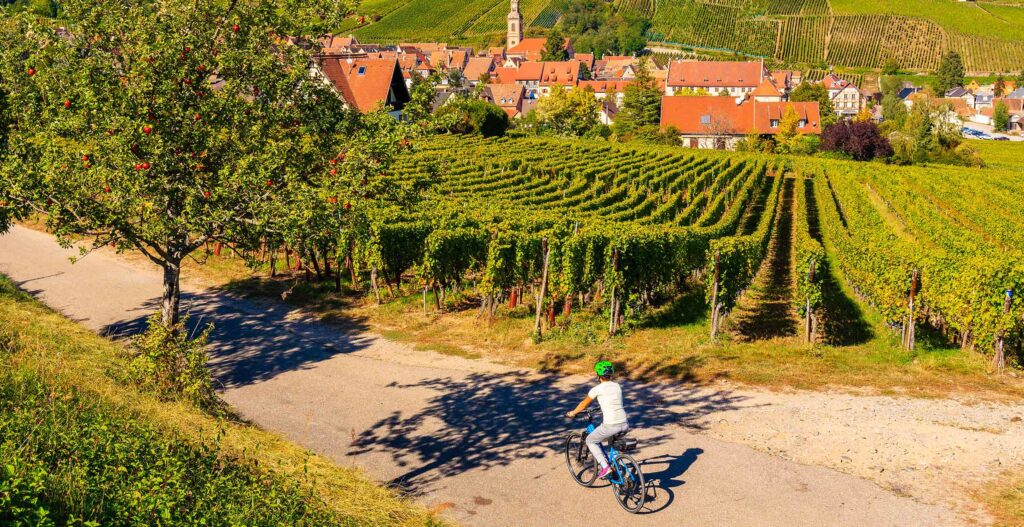
Okay, not literally. But wine is a staple of daily life in a way that soda or juice might be elsewhere. The French consume an average of roughly 40 liters of wine per person per year (though this number fluctuates, it remains one of the highest in the world).
For teens, the drinking age in France is different than in the US (beer and wine at 16, spirits at 18), but the culture around it is also different. It’s rarely about excess; it’s about appreciation. It’s about how a certain grape tastes with a certain cheese. It’s an education in taste, not just consumption.
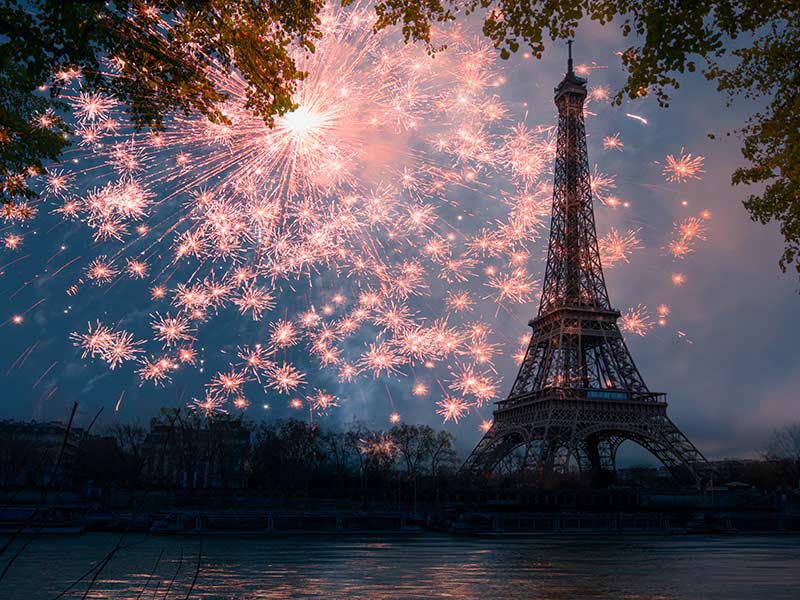
12. The Eiffel Tower Was Temporary
Can you imagine Paris without the Iron Lady? It almost happened. The Eiffel Tower was built for the 1889 World’s Fair to celebrate the 100th anniversary of the French Revolution. The plan was to dismantle it in 1909, twenty years later.
Parisians hated it at the time. They called it a “useless monstrosity.” It was only saved because Gustave Eiffel proved it could serve as a giant radio antenna. Today, it’s the most visited paid monument in the world. It’s a great lesson for anyone who feels like they don’t fit in: sometimes, the things that make you stand out are the things that make you iconic.
13. A Motto to Live By
You’ll see three words carved onto the front of schools, town halls, and coins: “Liberté, égalité, fraternité“ (Liberty, equality, fraternity).
This national motto emerged during the French Revolution and was enshrined in the constitution. It’s not just a slogan; it’s a value system. Fraternité—brotherhood or solidarity—is particularly powerful. It means looking out for your neighbor. When you’re traveling in a group, relying on your friends to help you fix a flat tire or navigate a map, you are practicing fraternité in its purest form.

14. Banning Food Waste
France is a leader when it comes to environmental laws. In 2016, France became the first country in the world to pass a law forbidding supermarkets from throwing away or destroying unsold food.
Instead, stores must donate edible food to charities and food banks. It’s a massive step toward sustainability and social responsibility. It makes you think about how we treat resources and what we can do to make our own communities better.
15. The Roof of Western Europe
If you like high places, France has the ultimate prize. Mont Blanc, located in the French Alps on the border with Italy, stands at a staggering 4,808 meters (15,774 feet) tall.
It is the highest mountain in Western Europe. Even if you aren’t climbing to the summit, seeing the snow-capped peak from the valley below is humbling. It reminds you of the sheer power of nature. France isn’t just manicured gardens; it’s wild, rugged, and breathtaking.
16. The Louvre is Too Big to See in a Day
The Louvre in Paris is the most visited museum in the world, and it is overwhelmingly massive. It houses over 380,000 objects and displays 35,000 works of art.
If you spent just 30 seconds looking at each piece of art, it would take you 100 days to see everything. And that’s without sleeping or eating! Seeing the Mona Lisa is cool, but wandering down a quiet hall of ancient Egyptian sphinxes or Greek statues is where the magic happens. It’s a place where you can get lost in history—literally.
Is seeing the Mona Lisa on your teenage bucket list?
Final Thoughts on France
France is a country of contradictions and wonders. It’s ancient yet innovative, rebellious yet traditional. It’s a place where you can ride a high-speed train to a medieval village, or eat a Austrian-invented pastry while looking at a tower that wasn’t supposed to exist.
For a teenager, exploring France is about more than just sightseeing. It’s about independence. It’s about navigating a metro map, ordering food in a new language, and realizing that you are capable of handling the unfamiliar.
If these facts have sparked a little curiosity in you, imagine what it’s like to see them in person. Imagine cycling past those vineyards, standing under the Eiffel Tower, or debating which of the 400 cheeses is the best.
Are you ready to find your own path through L’Hexagone?
Learn more about our teen bicycle adventures in France! It’s part summer camp, part life changing experience, and more.