I was watching a teenager try to fold a fitted sheet last summer. It was a comedy of errors—corners not meeting, elastic bunching up, frustration mounting until the whole bundle was eventually shoved into the linen closet in a defeated ball. It made me laugh, but it also made me pause.
Teenagers spend so much time worrying about their algebra grades, SAT scores, and whether they’ll make the varsity team. But in the quiet moments, I find myself wondering: have we taught them how to actually live?
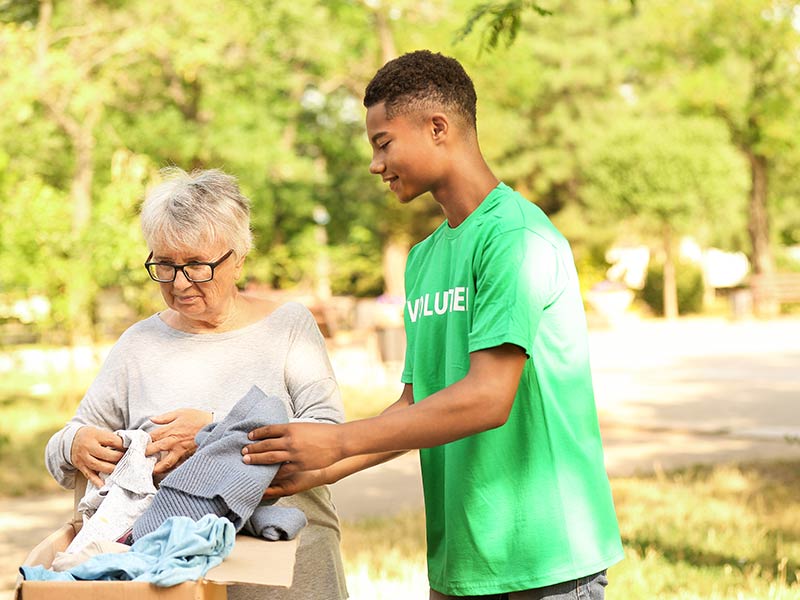
The transition from adolescence to adulthood is less like a door opening and more like a slow, sometimes bumpy, bridge crossing. Recent data from the CDC’s Youth Risk Behavior Survey paints a concerning picture—persistent feelings of sadness and hopelessness are on the rise, often exacerbated by the digital bubbles our kids live in. It makes me realize that “life skills” aren’t just about domestic chores; they are about resilience, mental fortitude, and the ability to navigate a complex world without crumbling.
So, what does it take to send a human being out into the world fully equipped? It’s not just knowing the capitals of Europe; it’s knowing how to navigate them. Here is a reflection on the essential life skills our teens need, and how we can help them build that toolkit.
What Are Life Skills, Really?
When we talk about life skills, we often default to cooking and cleaning. And while those are vital, the World Health Organization (WHO) defines life skills much more broadly: as “abilities for adaptive and positive behavior that enable individuals to deal effectively with the demands and challenges of everyday life.”

I love the word adaptive. It suggests that life isn’t a straight line. It’s a series of curveballs. Life skills are the psychosocial competencies—decision-making, creative thinking, empathy—that allow a teenager to stand on their own two feet when the ground shifts. It is the difference between knowing the theory of swimming and actually being able to tread water when the tide comes in.
Core Life Skills Every Teen Should Develop
As I’ve watched teen trekkers and their friends grow, I’ve realized that independence is built on a foundation of very specific, practical, and emotional capabilities. Here are the pillars we need to focus on.
Personal Care and Wellness
We assume they know how to take care of themselves, but do they?
- Hygiene and Grooming: Beyond the basics, this includes understanding skin care, dental health, and the importance of presentation. It’s about self-respect.
- Healthy Eating Habits: Can they distinguish between fuel and filler? Understanding nutrition isn’t just about weight; it’s about energy regulation and mental clarity.
- Physical Activity: Helping them find joy in movement that isn’t tied to a competitive sport is crucial for lifelong health.
- Sleep Hygiene: In an era of blue light and 24/7 notifications, learning how to wind down and prioritize rest is perhaps the most underrated skill of all.

Practical Domestic Skills
There is a quiet dignity in being able to maintain your own environment.
- Cooking Basics: I’m not talking about a soufflé. Can they boil pasta? Scramble an egg? Roast a vegetable? Knowing how to feed oneself is the first step of autonomy.
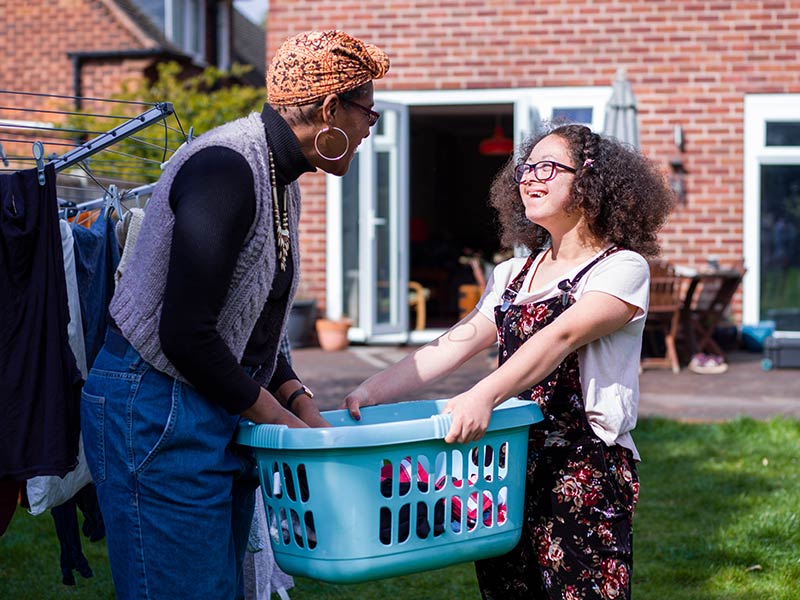
- Laundry Mastery: Sorting colors, reading care labels, and treating stains. (And yes, folding that fitted sheet).
- Basic Repairs: Using a screwdriver, changing a lightbulb, or sewing a button. These small acts of maintenance prevent learned helplessness.
- Cleaning and Home Maintenance: Understanding that a clean space fosters a clear mind. This includes how to actually scrub a bathroom, not just wipe it down.
Financial Literacy
This is often where the steepest learning curve lies.
- Budgeting: Understanding the difference between gross and net income, and the discipline of “needs vs. wants.”
- Saving and Investing: The concept of compound interest should be as familiar to them as TikTok trends.
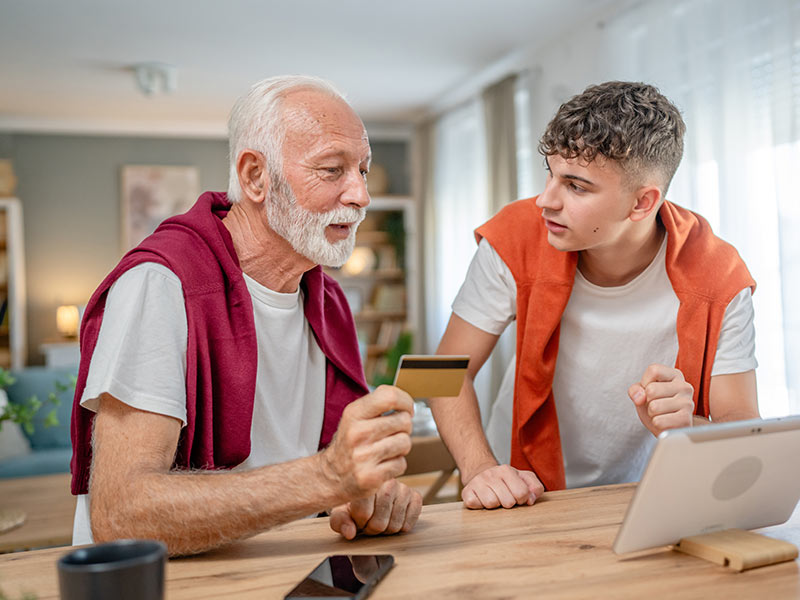
- Managing Credit: Understanding that a credit card is not free money, but a tool that requires immense responsibility.
Career and Future Planning
- Resume Building: How to translate their experiences (even babysitting or lawn mowing) into transferable skills.
- Job Searching and Interview Skills: The ability to look an adult in the eye, shake hands firmly, and articulate their value.
- Professional Communication: Writing an email that doesn’t look like a text message. Knowing when to be formal.
Self-Management Skills
- Time Management: This is a big one. Can they prioritize tasks without a parent standing over them?
- Goal Setting: I encourage using the SMART framework (Specific, Measurable, Achievable, Relevant, Time-bound) to turn dreams into plans.
- Organization: Keeping track of physical belongings and digital files.
Join Us in France!
Communication and Social Skills
- Active Listening: We teach them to speak, but do we teach them to listen? To hear what isn’t being said?
- Empathy: The ability to step outside their own bubble and understand a diverse viewpoint.
- Conflict Resolution: Navigating disagreements without exploding or shutting down.
- Networking: Building relationships that are mutually beneficial, not just transactional.
The Classroom vs. The Road: How Teen Treks Builds Life Skills
We can lecture our kids about these skills until we are blue in the face. But I’ve found that teenagers don’t learn by listening; they learn by doing (esp. traveling). They learn when the stakes are real, but the environment is safe.
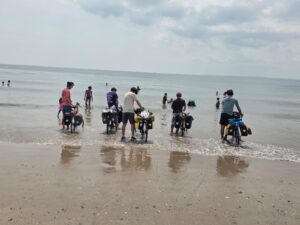
This is why I am so drawn to the philosophy behind Teen Treks Summer Bike Tours. It’s not just a travel camp program; it’s a rite of passage. When you put a teenager on a bicycle and give them a map, something profound happens. They aren’t just tourists; they are travelers. They are engineers of their own journey.
Here is how a few weeks on the road can accelerate the skills we struggle to teach at home.

Teamwork and Collaboration
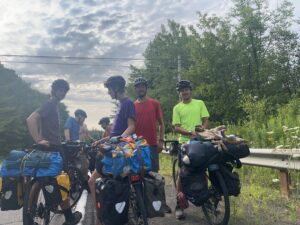
On a bike tour, you cannot be an island. Drafting—riding in the windbreak of the person in front of you—is a physical lesson in cooperation. Teen Treks groups are small, meaning everyone has to pull their weight. Whether it’s setting up camp in the fading light or cooking dinner for the group on a camp stove, they learn that the success of the individual is tied to the success of the group.
In 25 years, we’ve had over 6,000 teenagers travel a whopping five million miles combined! They couldn’t have accomplished that feat without teamwork.
Communication and Leadership
Teen Treks operates with a philosophy of “guided independence.” Leaders are there for safety, but the teens take ownership. I love the idea of teens rotating leadership roles for the day—deciding when to stop for water, or how to navigate a complex intersection. They have to use their voices. They have to be clear, decisive, and considerate of the rider at the back of the pack.
Join Us in California!
Problem-Solving and Adaptability
What happens when you get a flat tire five miles from town? What happens when it starts raining? In a car, you turn up the heat. On a bike, you put on a rain jacket and keep pedaling. These tours teach teens to think on their feet. They learn that discomfort is temporary and that they are capable of fixing things that break. It builds a gritty kind of confidence that you just can’t get in a classroom.
Independence and Responsibility
There is no “mom or dad taxi” on a trek. Teens carry their own gear in panniers. They are responsible for their bike’s maintenance. They manage their own spending money for snacks. It empowers them to realize, “I can take care of myself. I can get myself from Point A to Point B under my own power.”
That realization is transformative for self-esteem.

Cultural Awareness and Empathy
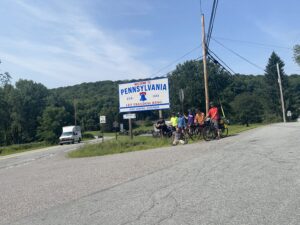
Traveling by bike slows the world down to 10 miles per hour. You don’t fly over communities; you ride through them. You smell the air, you say hello to locals, you stop at the roadside stands. Teen Treks routes—whether in Europe or across the USA—expose teens to different ways of living. It fosters a curiosity about the world that kills prejudice and builds empathy.
Additional Life Skills to Consider
Beyond the core list and the lessons from the road, there are a few niche skills that I believe round out a capable young adult.
Navigational Skills
We rely so heavily on GPS that we are losing our sense of direction.
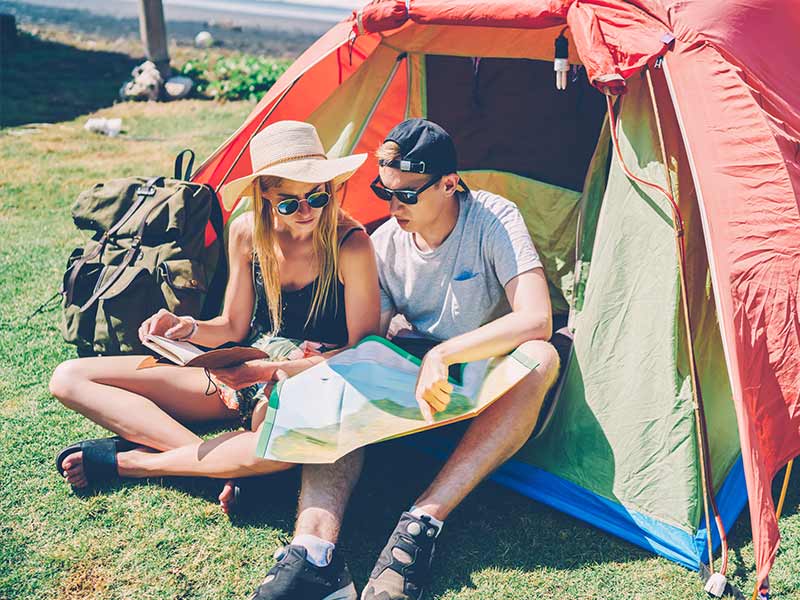
- Map Reading: Can they orient a paper map? Do they understand cardinal directions? This is a key part of the Teen Treks experience—unplugging and reading the landscape.
Emergency Preparedness
- First Aid and Safety: Knowing CPR, the Heimlich maneuver, or how to treat a burn. Knowing who to call when things go wrong. Check with your local town hall for free classes near you.
Digital Wisdom
- Tech Savviness and Etiquette: It’s not just about coding; it’s about understanding their digital footprint, online safety, and the etiquette of when to put the phone away.
Civic Engagement
- Understanding Citizenship: Knowing how to vote, understanding basic laws, and recognizing their role in a community.

Emotional Regulation
- Self-Care and Mental Health: Identifying stress triggers. Knowing that it’s okay to not be okay, and knowing how to ask for help. This is where the “movement” aspect of biking is so therapeutic—it connects the body and mind in a rhythmic, healing way.
The Journey Begins with a Single Pedal Stroke
I look at that pile of laundry my teen wrestled with, and I remind myself to be patient. Rome wasn’t built in a day, and a fully functioning adult isn’t built in eighteen years, honestly. It’s a lifelong process.
But we have to give them the opportunities to practice. We have to let them struggle with the fitted sheet. We have to let them budget for their own movie tickets. And sometimes, we have to let them ride away from us, down the driveway and onto the open road, to discover just how strong and capable they truly are.
If you are looking for a way to jumpstart this growth—to give your teen a summer of adventure, safety, and profound personal development—consider looking into a bike tour. It might just be the push they need to find their balance.
Ready to empower your teen’s journey? Discover the summer adventure awaiting at Teen Treks.