Summer camp has evolved far beyond arts and crafts by the lake. For teens, summer offers transformative opportunities that can shape their independence, spark academic curiosity, and build confidence that lasts well beyond the final campfire.
Whether your teen craves adventure on two wheels through the European countryside, seeks intellectual challenges at an Ivy League campus, or wants to develop specialized skills in coding or business, the right summer experience is waiting. The key is understanding what makes a program truly exceptional—and how to match it to your teen’s unique interests and developmental needs.

This guide explores the landscape of 2026’s best summer camps and programs, from wilderness expeditions to pre-college academic intensives. We’ll help you navigate accreditation standards, budget considerations, and safety protocols so you can choose an experience that doesn’t just fill the summer weeks, but genuinely empowers your teen’s growth.
Understanding Accreditation: The Role of the American Camp Association (ACA)
Before diving into specific programs, parents should understand the gold standard in camp safety and quality: American Camp Association (ACA) accreditation.
ACA accreditation means a camp has voluntarily undergone a thorough review of up to 290 standards covering every aspect of operation—from staff qualifications and training to emergency management. This process goes well beyond the basic licensing requirements that vary from state to state. According to the ACA, accreditation represents “the best evidence parents have of a camp’s commitment to a safe and nurturing environment for their children.”
What sets ACA standards apart? They’re developed in collaboration with experts from the American Academy of Pediatrics, the American Red Cross, and other youth-serving agencies to reflect current, research-based best practices. Courts of law and government regulators recognize these as the standards of the camp industry.
The accreditation process includes:
- Regular independent safety audits that examine everything from fire protection and food service to transportation safety and health care facilities
- Age-appropriate staff-to-camper ratios (for example, one staff member for every eight campers ages 13-16 at overnight camps)
- Comprehensive emergency protocols including required first-aid facilities, trained staff availability, and crisis communication plans
- Program quality standards that ensure activities are developmentally appropriate with clear goals for camper growth
Parents can verify any camp’s accreditation status at ACAcamps.org or by calling 1-800-428-CAMP. If a camp isn’t ACA accredited, ask why not. While accreditation doesn’t guarantee a risk-free environment, it demonstrates a commitment to going above and beyond minimum requirements.
Adventure and Travel: Bicycle Touring for Teens
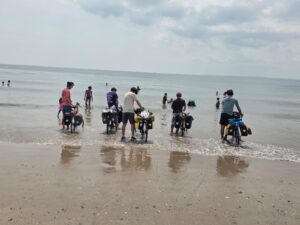
For teens seeking authentic travel experiences that build genuine independence, bicycle touring (also known as bikepacking) offers something no classroom or traditional camp can replicate. These programs combine physical challenge, cultural exploration, and practical life skills in ways that profoundly shape young people.
Teen Treks: 25 Years of Transformative Bike Adventures
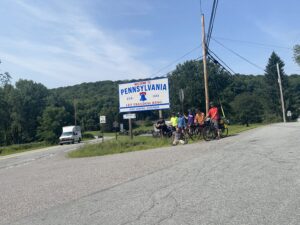
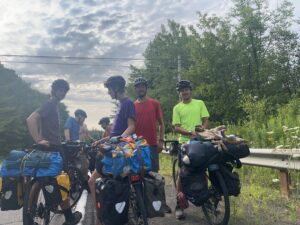
Teen Treks stands out as a pioneer in teen bicycle touring, having spent 25 seasons leading self-supported bike trips across the United States, Canada, and Europe. Unlike passive travel experiences, Teen Treks gives teenagers real agency in their adventures.

Each group includes up to 10 teens led by two certified, background-checked leaders trained in first aid, bike safety, and youth mentorship (I’m one of them!). The trips are for the most part tech-free—no phones, no constant scrolling—creating space for authentic connection and self-discovery. As one leader described it, “When everything is all packed on the bike, it never ceases to amaze me how little we need to get by and to truly be happy.“
What makes Teen Treks different:
- Self-directed exploration: Teens help plan routes, choose daily activities, and make group decisions about pacing and destinations
- Authentic camping and hosteling: Groups stay in a mix of campgrounds and hostels, cooking together and learning practical travel skills
- True independence: Participants gain real-world experience with navigation, budgeting, grocery shopping, and problem-solving
- Meaningful challenges: Routes range from “Easy” (10-16 day trips with low mileage and flat terrain) to “Challenging” (25-56 day treks for experienced riders)

Nora, a past participant, captured the transformative nature: “I was really surprised when I realized how self-directed it was, and how I was actually capable of a lot more than I thought I was. I have never grocery shopped before, I learned how to navigate, I learned how far apart things are, and how to deal with yourself in the world.“
Parents consistently report that teens return more helpful at home, more motivated in school, and notably, less attached to their screens. The experience of traveling with very little technology—relying instead on group connection, outdoor exploration, and personal resourcefulness—creates lasting shifts in how teens engage with the world.
Join Us in France!
Popular 2026 Teen Treks routes include:
- Pacific Redwoods: Portland to San Francisco through redwood forests and rugged coastline
- European Grand Tour: London, Paris, Amsterdam loop combining iconic cities with countryside
- New York to Montreal: Journey along Lake Champlain to French-speaking Canada
- New England coastal routes: Boston to Bangor, NYC to Boston
Bicycle touring teaches practical skills—bike repair, cooking, navigation, budget management—while building deeper qualities like resilience, teamwork, and self-reliance. As teens pedal from destination to destination under their own power, they develop an embodied understanding of distance, accomplishment, and their own capabilities.
Join Us in California!
Academic Enrichment: Pre-College Programs at Harvard, Yale, and Columbia
For intellectually curious teens ready to test their academic abilities in a college environment, pre-college programs at elite universities offer rigorous coursework, campus life experience, and a glimpse into competitive higher education.
Harvard Summer School Secondary School Program
Harvard’s 4-Week Secondary School Program (SSP) provides an immersive, for-credit residential experience on the historic Cambridge campus. Students choose one accelerated course from approximately 20 offerings, attending class 2.5 hours per day, four days per week.
The program includes:
- College-level, graded courses for academic credit that can transfer to future institutions
- Full campus access: Student IDs grant access to libraries, athletic facilities, and dining halls
- Residential life: Students live in Harvard College dorms with proctors (mostly current Harvard undergraduates) who facilitate community activities and provide support
- Social and college readiness activities: From college counseling Q&As to off-campus excursions exploring New England
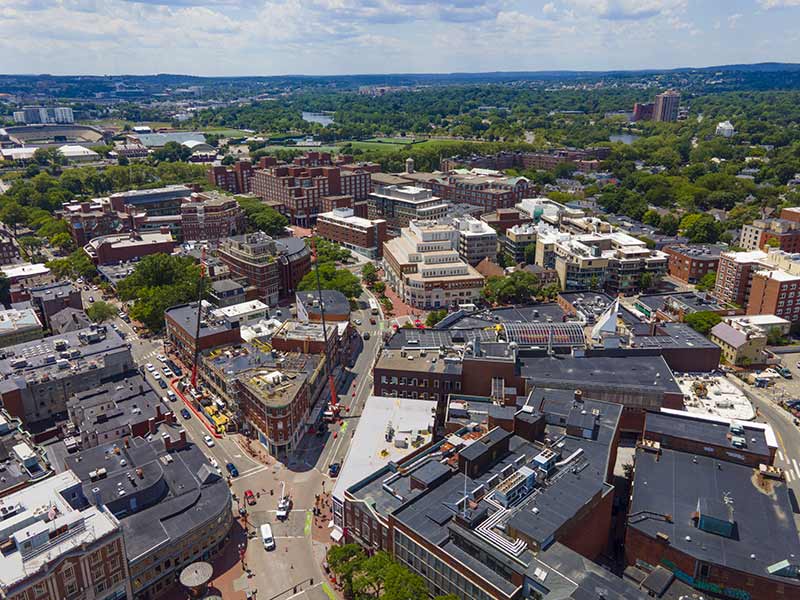
2026 cost: $9,100 (includes tuition for 4 credits, room, meal plan, and program fee). Financial aid is available for U.S. citizens and permanent residents.
Harvard also offers a 7-week SSP option for students wanting a longer immersion, with both residential and online formats available.
Yale Young Global Scholars
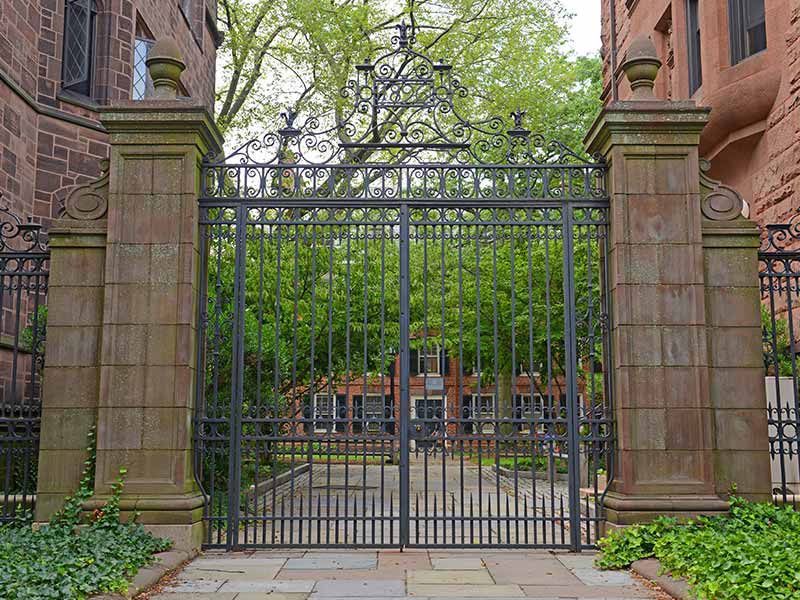
Yale Young Global Scholars(YYGS) brings together outstanding high school students from over 150 countries for interdisciplinary, two-week residential sessions on Yale’s campus.
Summer 2026 offerings include three residential sessions (June 21-July 3, July 5-17, and July 19-31) across three academic themes:
- Innovations in Science & Technology: Explore cutting-edge developments in STEM fields
- Politics, Law & Economics: Examine systems of governance, legal frameworks, and economic theory
- Solving Global Challenges: Address complex global issues through interdisciplinary approaches
YYGS emphasizes global learning community, bringing together diverse perspectives for collaborative exploration of complex topics. The program is not offering online sessions in 2026, focusing exclusively on the residential experience.
Columbia University Pre-College Programs
Columbia offers multiple summer formats for high school students in 2026:
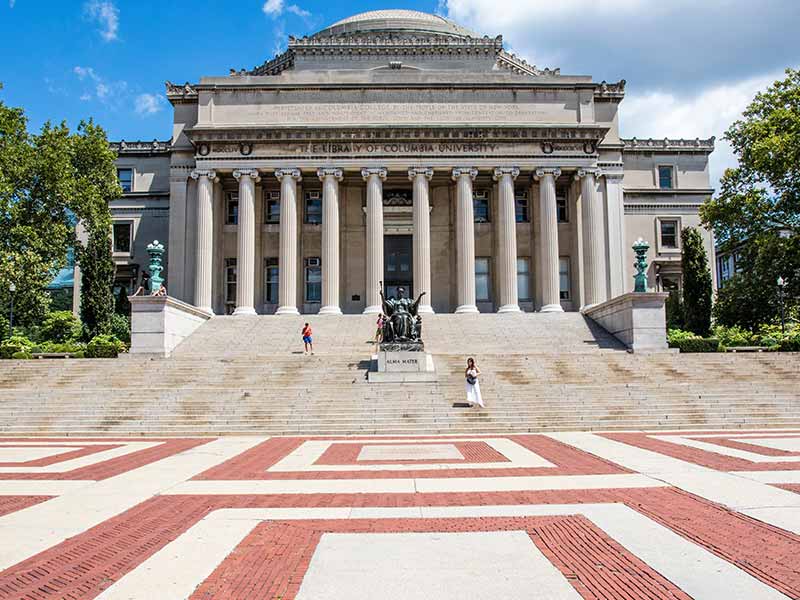
- NYC Residential Summer: Live on Columbia’s Morningside Campus with full access to classrooms, libraries, and New York City
- NYC Commuter Summer: Attend classes and activities while commuting from home or nearby accommodations
- Online Summer: Join from anywhere in the world for interactive classes with high-achieving peers
- College Edge Summer: Earn college credit alongside Columbia undergraduate students
Columbia’s programs balance rigorous academics with co-curricular activities, events, and the unique resources of both the campus and New York City. Applications for Summer 2026 are now open.
These pre-college programs serve multiple purposes: they allow students to explore potential majors, develop study skills for college-level work, build impressive résumés, and experience independence in a structured academic setting. The credentials and connections gained can be valuable, though families should remember that attendance doesn’t guarantee future admission to these universities.
Specialty and Skill-Based Camps: Building Expertise and Passion
Beyond traditional camps and academic programs, specialty camps allow teens to dive deep into specific interests—from coding and engineering to filmmaking, fashion design, and music production.
STEM and Technology Programs
Technology-focused camps have exploded in popularity, offering teens hands-on experience with cutting-edge skills:
Online coding bootcamps provide accessible, intensive skill-building:
- Ethical Hacking & Data Security (2 weeks, ages 14-18, from $400/week)
- AI Explorer: Creative Coding with p5.js (2 weeks, ages 14-18, from $400/week)
- Web Development: HTML & CSS (2 weeks, ages 14-18, from $400/week)
- Python coding from zero (2 weeks, ages 14-18, from $400/week)

Engineering at elite universities: Programs like Yale’s Civil, Mechanical & Electrical Engineering summer school (ages 16-18, 2 weeks in June/July, from $4,725/week) offer university-level instruction and lab access.
Business and Entrepreneurship
For future entrepreneurs and business leaders:
- NYC Business & AI Summer Camp: Combines business fundamentals with artificial intelligence applications (ages 12-17, 2 weeks in July, from $1,140/week)
- Business Disruptors at UCLA: Market innovation and entrepreneurship program (ages 14-18, 3 weeks in June/July, from $1,566/week)
Arts and Creative Programs
Specialized arts programs offer professional-level training:
- SCAD Pre-College (Savannah, Georgia): Art and design across multiple disciplines
- Rhode Island School of Design Pre-College (Providence): Portfolio development with professional artists
- New York Film Academy: Visual and performing arts with industry equipment
- Blackbird Academy (Nashville): Music production and recording for aspiring musicians and producers
These specialty programs work best when aligned with a teen’s genuine interests rather than résumé-building. The intensive nature allows deep skill development that can clarify future academic and career directions—or simply provide a summer of passionate engagement with something they love.

Wilderness Expeditions and Outdoor Adventure
For teens who crave physical challenge and natural beauty, wilderness programs offer transformative experiences far from screens and structured schedules.
Types of Outdoor Adventures
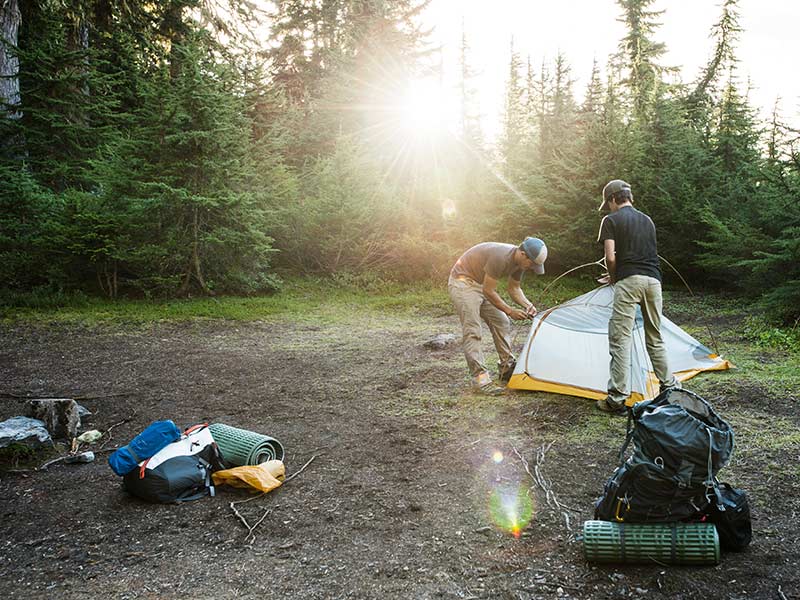
Backpacking and hiking expeditions: Multi-day treks through national parks and wilderness areas teach navigation, Leave No Trace principles, and wilderness survival skills.
Paddling adventures: Canoeing and kayaking trips down rivers or across lakes combine physical endurance with water safety skills and teamwork.
Rock climbing and mountaineering: Technical climbing programs build strength, problem-solving abilities, and trust in both equipment and climbing partners.
Multi-sport wilderness trips: Programs combining hiking, paddling, climbing, and camping offer varied challenges and help teens discover which outdoor activities resonate most.

Educational Value Beyond Adventure
Quality wilderness programs emphasize much more than adrenaline:
- Environmental education: Learning about ecosystems, conservation, and human impact on wild spaces
- Leadership development: Taking turns in leadership roles, from navigation to meal planning
- Group dynamics: Living closely with peers requires communication, conflict resolution, and collaboration
- Self-reliance: Managing personal gear, regulating body temperature, and meeting basic needs in the backcountry
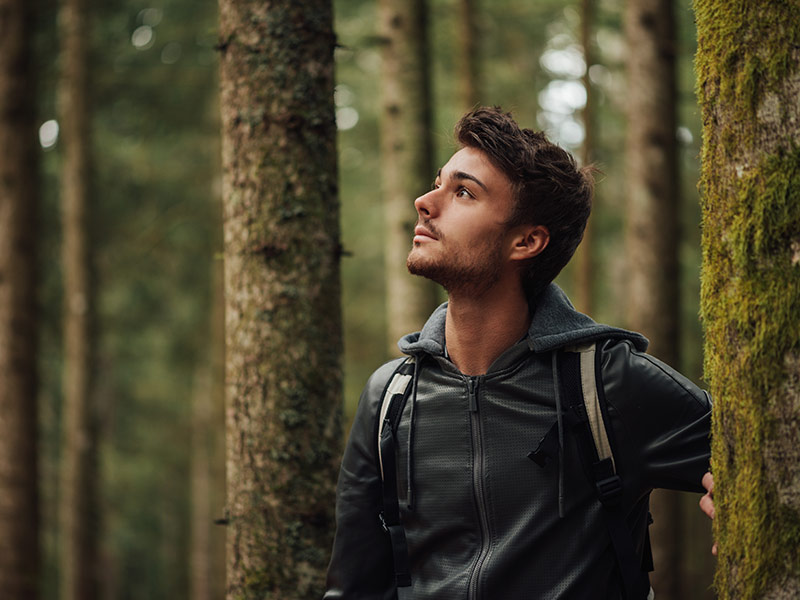
The American Camp Association accredits many wilderness programs, ensuring they meet safety standards for challenge courses, trips, and outdoor activities. Look for programs with certified Wilderness First Responders on staff and clear risk management protocols.
Teens often describe wilderness experiences as profoundly formative. Removed from daily distractions and comforts, they discover capabilities they didn’t know they had. The natural world provides both the challenge and the reward, teaching lessons about perseverance, humility, and interconnection that last long after the trip ends.
Personal Development: Building Résumés, Global Awareness, and Lifelong Friendships
The best summer programs deliver benefits that extend well beyond the weeks of the program itself. Understanding these longer-term impacts can help families choose experiences that align with developmental goals.
Résumé Building and College Applications
Selective summer programs—particularly those at universities or with competitive admission—can strengthen college applications. Admissions officers look for:
- Sustained commitment to particular interests or activities
- Academic challenge beyond regular coursework
- Leadership and initiative in chosen pursuits
- Diverse experiences that show intellectual curiosity

However, families should avoid the trap of choosing programs solely for résumé value. Admissions officers can spot inauthentic participation, and teens gain little from experiences that don’t genuinely engage them. The most compelling application stories come from programs where teens were truly challenged, changed, or inspired.
Global Awareness and Cultural Competency
Programs that bring together diverse participants or include international travel offer invaluable cross-cultural learning. Yale Young Global Scholars, for example, deliberately creates a global community where teens engage with peers from 150+ countries.
Cultural immersion programs—whether through language study abroad, service trips, or international travel programs—help teens:
- Develop perspective beyond their immediate communities
- Challenge assumptions about “normal” ways of living
- Build empathy and cultural sensitivity
- Gain practical language skills in authentic contexts
These experiences become increasingly valuable in our interconnected world, preparing teens for global citizenship and diverse college campuses.
Friendship and Social Development
Perhaps the most underestimated benefit of summer programs is the quality of friendships formed. Removed from regular social hierarchies and shared school histories, teens can reinvent themselves and form connections based on current interests and experiences.
Intense shared experiences—whether surviving a rainstorm while camping, collaborating on a coding project, or navigating a foreign city together—create bonds that often outlast the program. Many teens describe their summer program friends as some of their closest relationships, maintained through social media and future reunions.
These friendships also expand social skills. Learning to live and work with people from different backgrounds, with different communication styles and perspectives, builds emotional intelligence and adaptability.

Logistics and Budgeting: Navigating Costs, Safety Standards, and Enrollment
Choosing a summer program involves practical considerations that can feel overwhelming. Breaking down the key logistics makes the process more manageable.
Understanding True Costs
Summer programs vary dramatically in price:
- Budget-friendly options: Online coding bootcamps and day camps ($400-$1,200/week)
- Mid-range programs: Regional adventure camps and many traditional overnight camps ($1,000-$2,500/week)
- Premium experiences: Elite university programs and international travel ($3,000-$5,000+/week)
According to industry data, traditional overnight camps in the U.S. typically cost between $430 and $3,900 per week, with a four-week session averaging around $8,660. However, prices vary based on location, amenities, and program type.
Hidden costs to consider:
- Transportation to and from the program
- Required gear or equipment (especially for outdoor adventures or specialty camps)
- Spending money for personal purchases or optional activities
- Travel insurance (highly recommended for programs with significant prepayment)
Many programs offer financial aid. Harvard’s Secondary School Program, for example, provides aid to U.S. citizens and permanent residents. Don’t assume your family won’t qualify—apply and let the program make the determination.
Safety Considerations and Questions to Ask
Beyond ACA accreditation, evaluate programs by asking:
About supervision:
- What is the staff-to-teen ratio?
- What are staff qualifications and background check processes?
- How are behavioral issues and homesickness handled?
- What communication will parents receive during the program?
About health and safety:
- What medical facilities are available?
- How are medications managed?
- What is the emergency response protocol?
- Are there accommodations for dietary restrictions or allergies?
About the experience:
- What is a typical daily schedule?
- How much choice do teens have in activities?
- What happens during bad weather or unexpected situations?
- Can you provide references from past participants?
Teen Treks, for example, maintains daily contact with their office, allowing parents to check in for information as trips progress. Leaders carry cell phones for teen calls home, and the organization posts regular blog updates showing adventures in progress. Questions? Send us a message today!
Application Timelines and Enrollment
Popular programs fill up early. By early April, many programs begin filling their spots. Key timeline considerations:
- Early winter (December-January): Research programs, request information, narrow choices
- Late winter (February-March): Submit applications, especially for competitive academic programs
- Spring (April-May): Finalize travel arrangements, purchase gear, complete health forms
- 45-50 days before start: Confirm specific logistics like pickup times and packing lists
Some programs have rolling admission, while others have specific deadlines. Competitive academic programs often require applications months in advance, while some adventure camps accept registrations closer to summer.
Refund policies matter: Understand cancellation terms before committing. Many programs charge 25% of total cost for cancellations before a certain date, with no refunds after. Trip insurance (typically about 4% of total cost) can protect your investment against illness, injury, or unexpected circumstances.
Choosing the Right 2026 Summer Experience
The perfect summer program is different for every teen. It’s not about choosing the most prestigious option or the one that looks best on paper—it’s about matching the experience to where your teen is developmentally and what will genuinely engage their curiosity.
Start by reflecting on a few key questions:
What does your teen need most right now? Some teens need intellectual challenge, others need physical outlets or creative expression. Some need to build confidence away from familiar peer groups, while others need to deepen existing passions.
What are your teen’s actual interests? Not what looks good for college, but what genuinely excites them? The programs that transform lives are the ones where teens wake up eager to participate, not the ones they endure for résumé value. We recommend having your teenager create a summer bucket list.
What’s the right balance of structure and independence? Some teens thrive with open-ended exploration like bicycle touring; others need more programmed activities and closer supervision. Both are valid, and the right choice depends on your individual teen’s maturity and temperament.
How does this fit with family values and goals? Whether you prioritize environmental stewardship, global citizenship, academic achievement, or outdoor adventure, the best programs align with and extend your family’s values.
Summer 2026 offers extraordinary opportunities. From pedaling through European cities with Teen Treks, to engaging with global peers at Yale, to diving deep into coding or wilderness skills—the right experience can build capabilities and confidence that shape the trajectory of adolescence.
The investment isn’t just in a few weeks of summer. It’s in independence, resilience, and the kind of growth that happens when teens step outside their comfort zones into experiences that challenge and inspire them. That’s the true value of exceptional summer programs—they help teens discover who they’re capable of becoming.